Discover fascinating lightning facts, from how it forms to its extreme power. Learn why lightning is one of nature’s most powerful forces.
Lightning is one of the most powerful natural phenomena on Earth, and these lightning facts reveal just how incredible it really is. From its formation inside storm clouds to the immense energy it releases, lightning continues to fascinate scientists and observers alike. In this guide, you will discover how lightning works, why it occurs, and some surprising details that make it one of nature’s most dramatic displays. Whether you are curious about weather or simply enjoy learning something new, these lightning facts will give you a deeper understanding in a simple and engaging way.
Interesting Lightning Facts You Should Know
Fact 1: Lightning is a giant electrical spark
Lightning is a massive discharge of electricity that occurs between clouds or between a cloud and the ground. It happens when electrical charges build up and suddenly release energy. According to National Geographic, this discharge is caused by imbalances within storm clouds.
Fact 2: It can be hotter than the Sun
Lightning can heat the surrounding air to around 50,000°F, which is several times hotter than the surface of the Sun. This extreme heat causes the air to expand rapidly.
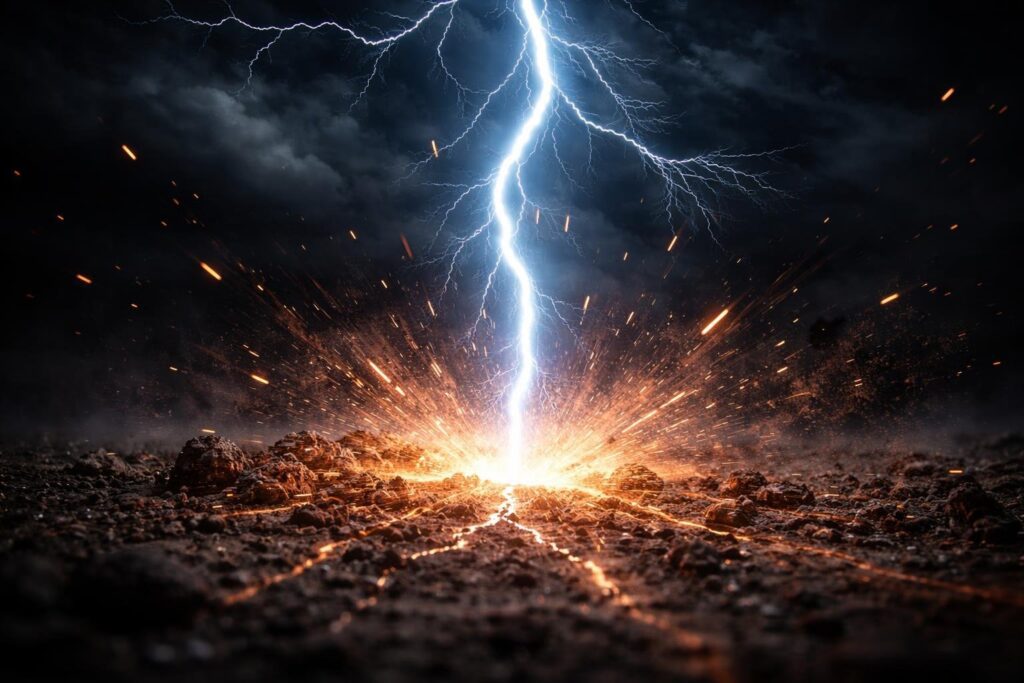
Fact 3: Lightning causes thunder
The sound of thunder comes from the rapid expansion of air heated by lightning. This creates a shockwave that we hear as thunder.
This rapid energy release is similar to the intense forces seen during volcanic eruptions, where pressure builds and releases suddenly.
Fact 4: It strikes Earth millions of times daily
Lightning strikes the Earth around 44 times per second, adding up to billions of flashes each year.
Fact 5: Most lightning happens inside clouds
While dramatic cloud-to-ground strikes get the most attention, most lightning actually occurs within clouds or between clouds.
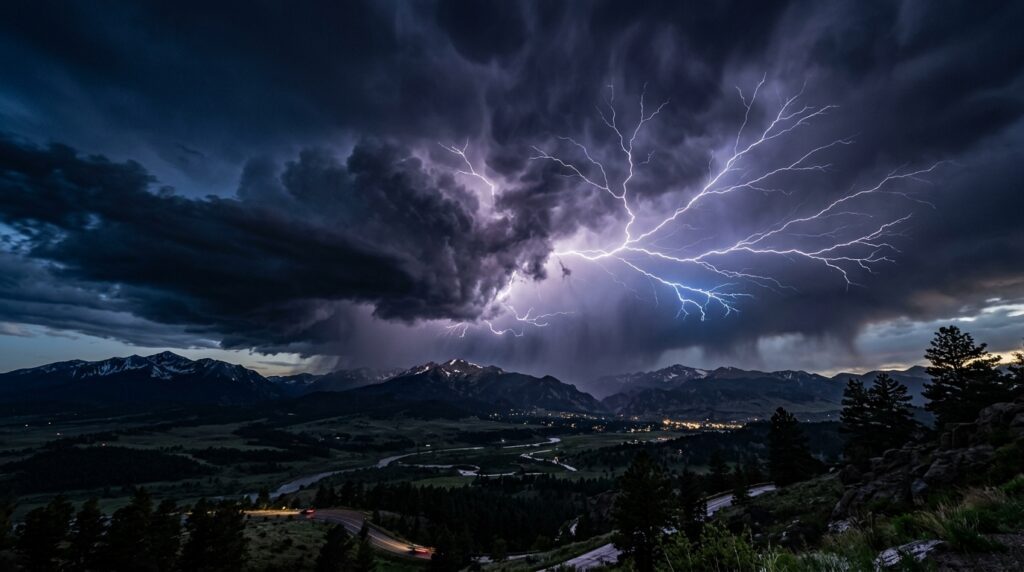
Fact 6: It travels incredibly fast
The flash we see travels at the speed of light, while the actual lightning bolt moves at around 270,000 mph.
Fact 7: Lightning can be miles long
A single lightning bolt can stretch several miles in length, making it one of the largest natural electrical events on Earth.
Fact 8: It produces massive energy
A typical lightning strike releases huge amounts of energy, enough to power a light bulb for months.
Fact 9: Lightning can strike the same place more than once
Contrary to popular belief, lightning can strike the same location repeatedly, especially tall structures or buildings.
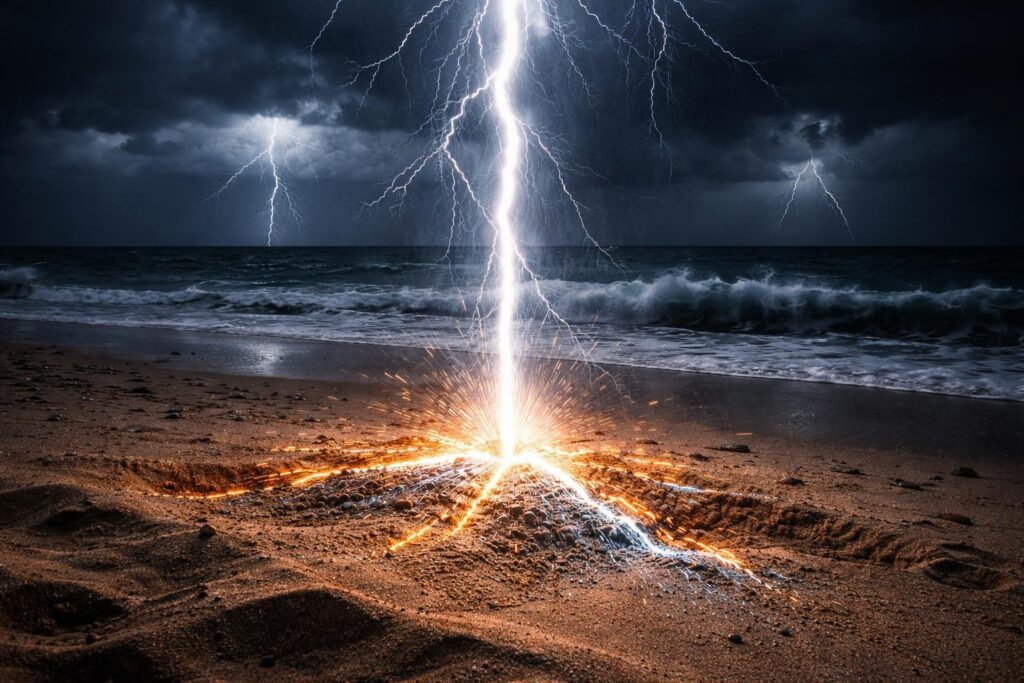
According to research from Britannica, lightning is a visible electrical discharge that occurs when charge differences in the atmosphere become strong enough to overcome air resistance. View Source →
Fact 10: It can create glass in sand
When lightning strikes sand, it can fuse the grains into glass-like formations known as fulgurites.
Fact 11: Lightning helps plants grow
The intense heat of lightning helps convert nitrogen in the atmosphere into forms that plants can absorb, supporting growth.
These atmospheric effects can also influence large-scale systems like those explored in our ocean guide.
Fact 12: There are different types of lightning
Lightning can occur within clouds, between clouds, or between clouds and the ground, each with different characteristics.
Fact 13: It can happen in unusual places
Lightning is not limited to thunderstorms and can also occur during volcanic eruptions, wildfires, and even snowstorms.
Fact 14: Some lightning is rarely seen
Phenomena such as red sprites and blue jets occur high in the atmosphere and are rarely visible to the naked eye.
Fact 15: Lightning is still being studied
Despite advances in science, lightning remains a complex phenomenon that researchers continue to study to better understand its behaviour.
According to the Met Office, lightning is one of the most common natural events, with millions of strikes occurring globally every day. View Source →
Explore More Nature
If you enjoyed this, you might like discovering how explosive forces work in volcanic eruptions or understanding global systems through ocean patterns and climate. You can also explore everything in one place in our full nature facts guide.
Conclusion
These lightning facts show why this natural phenomenon continues to fascinate people around the world. From its incredible energy to its role in nature, lightning remains one of the most powerful and mysterious forces on Earth.
What are some interesting lightning facts?
Lightning facts include its extreme heat, massive energy, and global frequency. It is one of the most powerful natural electrical phenomena on Earth.
How hot is lightning?
Lightning can heat the surrounding air to around 50,000 degrees Fahrenheit, which is several times hotter than the surface of the Sun.
Why does lightning cause thunder?
Thunder is caused by the rapid expansion of air that is heated by a lightning strike, creating a shockwave.
How often does lightning strike Earth?
Lightning strikes Earth around 44 times per second, resulting in billions of flashes each year.