Discover fascinating volcano facts, from explosive eruptions to hidden underwater giants. Learn why volcanoes are powerful forces shaping our planet.
Volcanoes are far more powerful and unpredictable than most people realise, and these volcano facts reveal just how incredible they really are. From massive eruptions that can affect the entire planet to hidden volcanoes deep beneath the ocean, there is much more happening beneath the surface than we see.
In this guide, you will discover how volcanoes form, what makes them so dangerous, and some surprising facts that make them one of nature’s most fascinating forces.
Interesting Volcano Facts You Should Know
Fact 1: Most volcanoes are underwater
Over 75% of Earth’s volcanoes are located beneath the ocean surface, forming long chains along tectonic plate boundaries.
Fact 2: The largest volcano is not on Earth
The biggest known volcano in the solar system is Olympus Mons on Mars, which is nearly three times taller than Mount Everest.
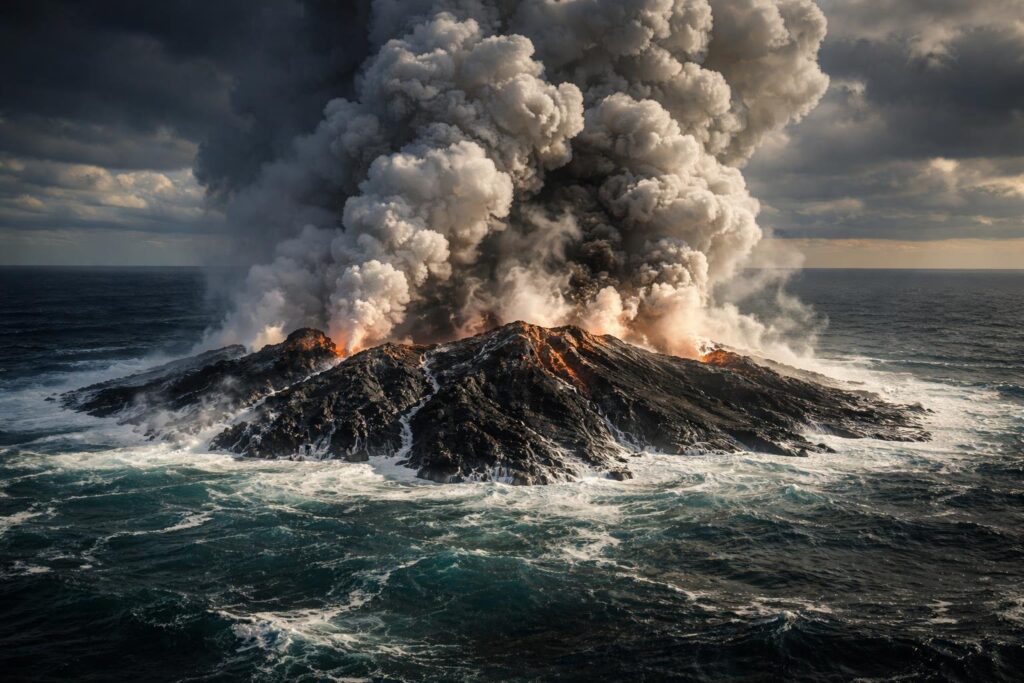
Fact 3: Volcanoes can create new land
When lava cools and hardens, it forms new rock, gradually building islands and expanding landmasses over time.
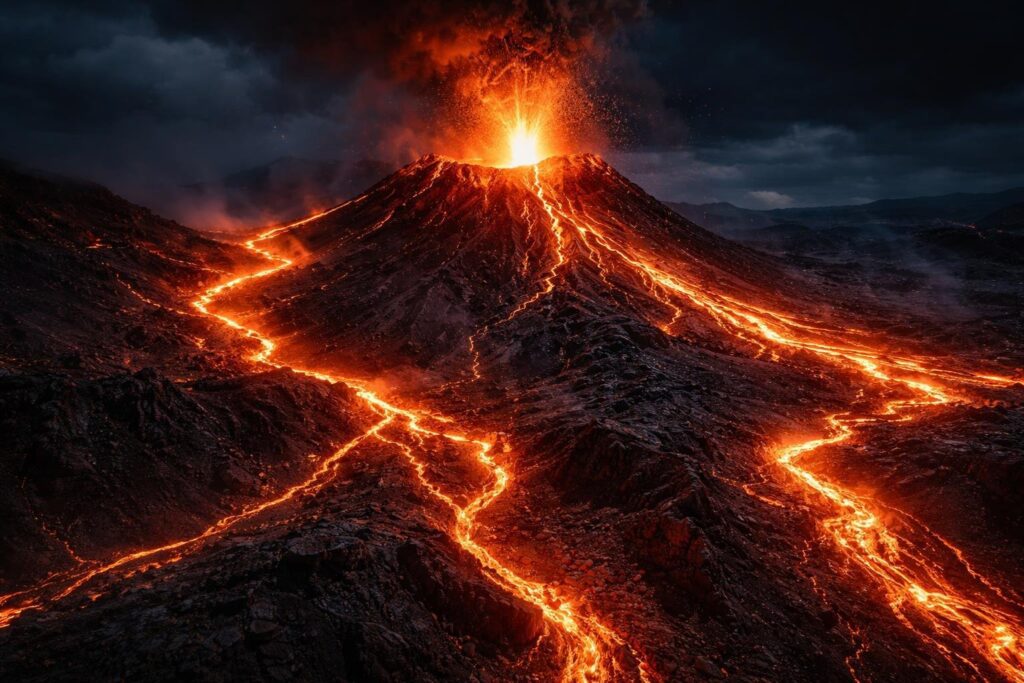
Fact 4: Lava can be hotter than 1,000°C
Molten lava can reach temperatures above 1,000°C, making it one of the hottest natural substances on Earth.
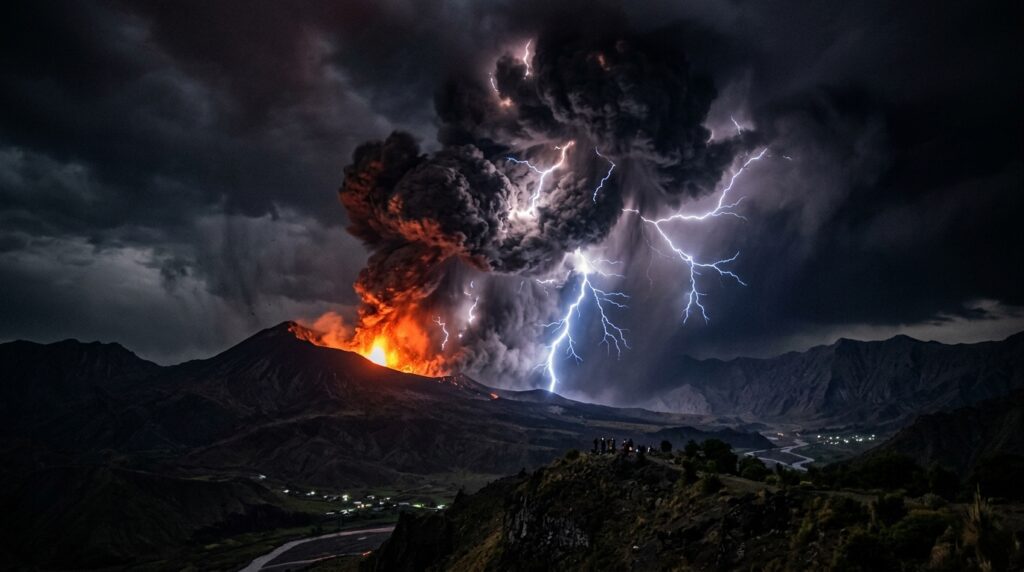
Fact 5: Volcanoes can produce lightning
During eruptions, ash particles collide and create static electricity, leading to dramatic volcanic lightning.
And it gets even more surprising…
Fact 6: Supervolcanoes can impact global climate
Massive eruptions release ash and gases that can block sunlight and cool the Earth for years.
These large-scale effects are closely linked to tectonic movement, which also causes events explained in earthquake activity.
Fact 7: Volcanic soil is extremely fertile
Despite the danger, volcanic regions often have rich soil that supports agriculture and plant growth.
Fact 8: The Ring of Fire holds most volcanoes
The Pacific Ring of Fire contains around 75% of the world’s active volcanoes.
Fact 9: Some eruptions are silent
Not all volcanoes explode violently. Some release lava slowly with little sound.
Fact 10: Volcanoes helped form Earth’s atmosphere
Early volcanic activity released gases that contributed to the development of the atmosphere.
And it keeps getting more fascinating…
Fact 11: Ash clouds can shut down flights
Volcanic ash can damage aircraft engines, leading to major air travel disruptions.
Fact 12: Lava flows can move fast or slow
Some lava flows move slowly, while others can travel at high speeds depending on composition.
Fact 13: Volcanoes exist on other planets
Volcanoes have been discovered on Mars, Venus, and even some moons in our solar system.
According to research from National Geographic, volcanoes play a major role in shaping Earth’s surface and atmosphere. View Source →
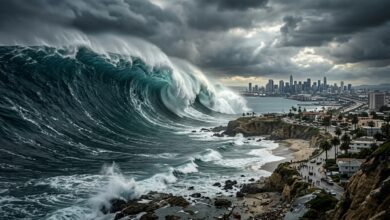
Fact 14: Eruptions can trigger tsunamis
Underwater eruptions or collapses can displace water and generate powerful tsunami waves.
In some cases, volcanic activity can also lead to ocean disturbances similar to those covered in tsunami events.
Fact 15: Some volcanoes glow at night
Active lava can create a glowing effect that lights up the surrounding landscape.
And there’s even more…
Fact 16: Ancient cultures feared and worshipped volcanoes
Many civilisations believed volcanoes were controlled by gods or supernatural forces.
Fact 17: Some volcanoes erupt continuously
Certain volcanoes remain active for decades, constantly releasing lava and gases.
Fact 18: Volcanoes can change landscapes instantly
Large eruptions can reshape entire regions within hours.
Fact 19: Volcanic gases can be dangerous
Gases like sulfur dioxide can harm humans, animals, and the environment.
Fact 20: Scientists still study volcanoes closely
Despite modern technology, predicting eruptions remains difficult and complex.
According to the US Geological Survey, most volcanic activity occurs along tectonic plate boundaries where pressure builds beneath the Earth’s crust. View Source →
Explore More Nature
If this sparked your interest, you might want to explore how the ground shifts in earthquake activity or how ocean waves can be triggered in tsunami events. For a bigger picture, visit our complete nature facts hub.
Conclusion
These volcano facts show just how powerful and unpredictable these natural forces can be. From shaping landscapes to influencing climate, volcanoes remain one of the most fascinating parts of our planet.
What are some interesting volcano facts?
Volcano facts include their ability to create land, produce lightning, and impact global climate. They are powerful natural features found across Earth and beyond.
Where are most volcanoes located?
Most volcanoes are located along tectonic plate boundaries, especially around the Pacific Ring of Fire. Many are also found underwater.
How hot is lava?
Lava can reach temperatures above 1,000 degrees Celsius, making it extremely hot and dangerous.
Can volcanoes affect the climate?
Yes, large volcanic eruptions can release ash and gases that block sunlight and temporarily cool the Earth.