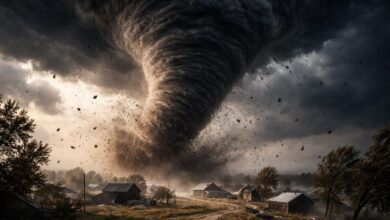
Discover fascinating cloud facts, from how clouds form to how much they weigh. Learn the surprising science behind the clouds you see every day.
Clouds are something we see every day, yet most people never stop to think about what they really are. These cloud facts reveal how clouds form, why they float, and what they are made of. From massive storm clouds to thin wisps high in the sky, clouds are far more complex and powerful than they appear. In this guide, you will discover cloud facts that explain the science, beauty, and hidden surprises behind these floating formations.
What Are Clouds Made Of?
Fact 1: Clouds Are Made of Water and Ice
Clouds are made up of tiny water droplets or ice crystals suspended in the atmosphere.
Fact 2: They Form When Air Cools
Clouds form when warm air rises and cools, causing water vapour to condense into droplets.

Fact 3: Dust Helps Clouds Form
Water droplets need tiny particles like dust or pollen to form, known as condensation nuclei.
Fact 4: Clouds Can Form at Ground Level
When clouds form near the ground, they are called fog. Walking through fog means walking through a cloud.
Fact 5: Warm Air Holds More Moisture
Warm air can hold more water vapour than cold air, which is why cooling triggers cloud formation.
If you’re curious how weather patterns connect to cloud formation, it’s worth exploring how atmospheric systems influence conditions in these weather facts.
Different Types of Clouds
Fact 6: There Are Many Cloud Types
Clouds are classified by shape and altitude, including cirrus, cumulus, and stratus clouds.
This electrical activity is closely linked to the processes explained in how lightning forms during storms, where charged particles build up inside clouds.
Fact 7: Cumulus Clouds Look Like Cotton
Cumulus clouds are the fluffy white clouds often seen on sunny days.
Fact 8: Cirrus Clouds Are High and Thin
Cirrus clouds form high in the atmosphere and are made mostly of ice crystals.

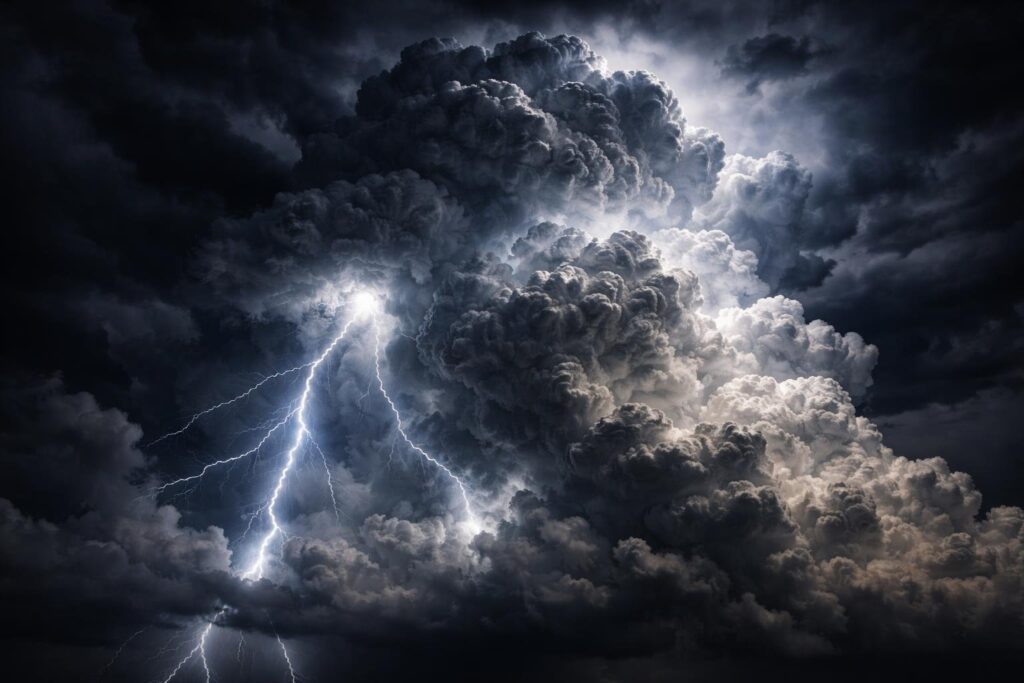
Fact 9: Storm Clouds Can Grow Huge
Cumulonimbus clouds can tower high into the sky and produce storms, lightning, and even tornadoes.
Fact 10: Some Clouds Predict Weather
Cloud types can signal weather changes, such as rain or storms approaching.
These global systems are also influenced by heat and moisture stored in the oceans, as explored in our guide to ocean systems.
Clouds also play a key role in global systems, which becomes clearer when you look at how environmental conditions interact in these natural phenomena.
Surprising Cloud Facts
Fact 11: Clouds Can Weigh Hundreds of Tonnes
A single cumulus cloud can contain hundreds of tonnes of water, even though it looks light and fluffy.
Fact 12: Clouds Float Because Droplets Are Tiny
The droplets in clouds are extremely small and light, allowing them to stay suspended in the air.
Fact 13: Clouds Reflect Sunlight
Clouds often appear white because they reflect sunlight evenly across all wavelengths.
Fact 14: Dark Clouds Mean Rain
Clouds turn darker when water droplets grow larger and block more light, often signalling rain.
Fact 15: Clouds Affect Climate
Clouds can both cool the Earth by reflecting sunlight and warm it by trapping heat.
Explore More Nature
If you are curious about weather, explore how storms build energy in lightning formation or how extreme systems develop in tornado events. For more, explore our full nature facts collection.
Conclusion
These cloud facts show that clouds are far more than just shapes in the sky. They are complex systems that influence weather, climate, and daily life. By understanding how clouds form and behave, you gain a deeper appreciation for the natural world above you.
What are clouds made of?
Clouds are made of tiny water droplets or ice crystals that float in the air.
How do clouds form?
Clouds form when warm air rises, cools, and water vapour condenses into droplets.
How much does a cloud weigh?
A typical cloud can weigh hundreds of tonnes due to the amount of water it contains.
Why do clouds float?
Clouds float because their droplets are extremely small and light, allowing them to stay suspended in air.