Discover fascinating okapi facts about the mysterious forest giraffe of Africa, including its striped appearance, rainforest habitat, and conservation story.
Okapi Facts: Discover the Secretive Forest Giraffe of Africa
The okapi is one of the most unusual animals in the world. Learning okapi facts reveals a mysterious creature that looks like a mix between a giraffe and a zebra, yet belongs to its own remarkable branch of the animal kingdom.
Native to the dense rainforests of Central Africa, the okapi remained unknown to Western science until the early twentieth century. Its shy nature and hidden forest habitat make it one of the most elusive large mammals on Earth.
In this guide, you will discover fascinating okapi facts about this rare species, including its unique appearance, behaviour, diet, and why protecting its rainforest home is so important.
Okapi Facts: 10 Amazing Discoveries About This Rare Animal
These okapi facts highlight why the okapi is such a fascinating species and why scientists continue studying it today.
1. The Okapi Is Known as the “Forest Giraffe”
One of the most interesting okapi facts is that the okapi is closely related to the giraffe.
Although its body resembles a horse or antelope, the okapi belongs to the same animal family as giraffes, known as Giraffidae.
2. Okapis Live Only in the Congo Rainforest
The okapi is native to the dense rainforests of the Democratic Republic of Congo.
This remote region provides thick vegetation that offers both food and protection from predators.
Because of the forest’s density, okapis can remain hidden from humans for long periods.
3. Their Stripes Provide Natural Camouflage
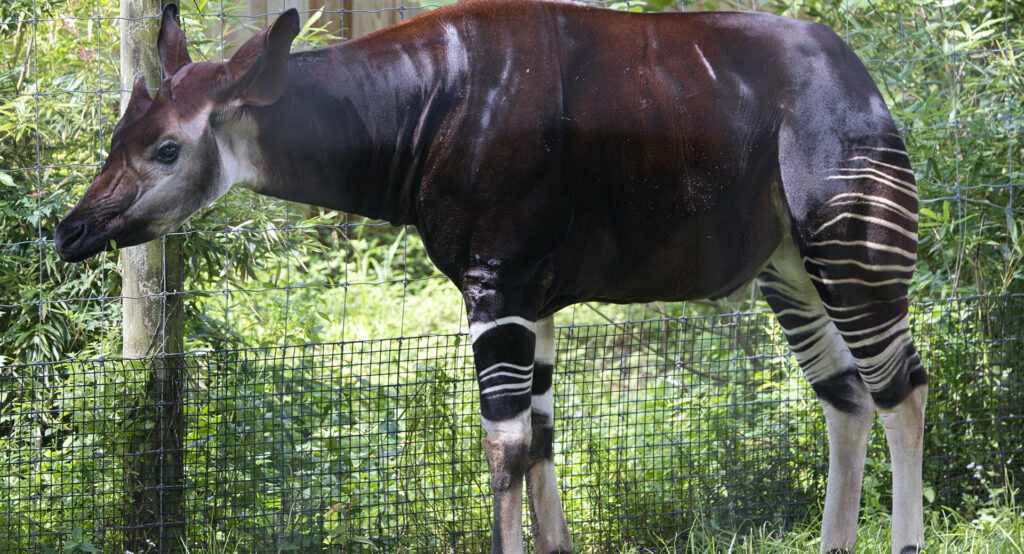
One of the most striking okapi facts is their beautiful striped legs.
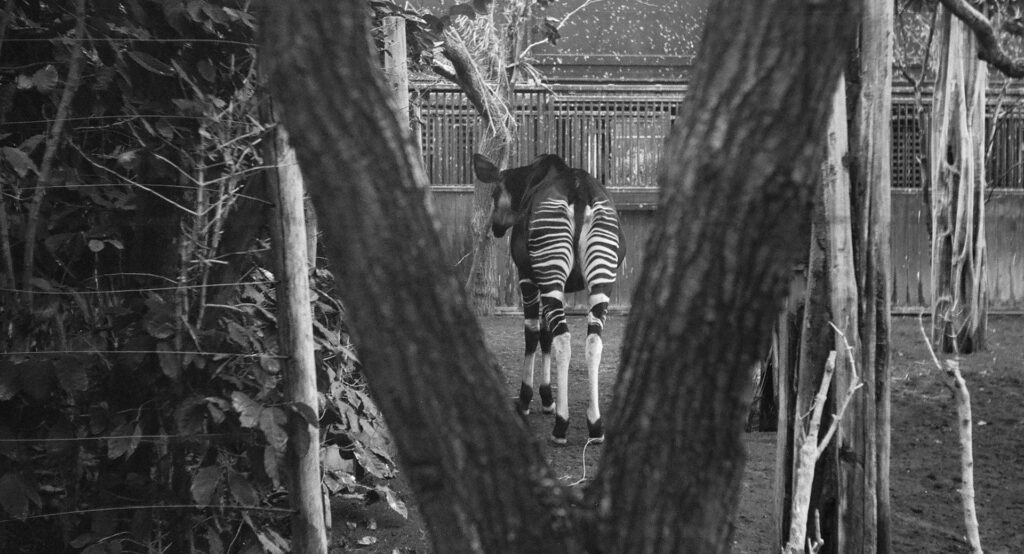
These white stripes help okapis blend into the patterns of sunlight and shadow in the rainforest. The stripes may also help young calves follow their mothers through dense vegetation.
4. Okapis Were Unknown to Western Science Until 1901
Although local communities in Central Africa had known about okapis for centuries, Western scientists first documented them in 1901.
The name “okapi” likely comes from the Lese people’s word “o’api.”
5. Okapis Are Solitary Animals
Unlike many herd animals, okapis usually live alone.
These okapi facts show that adults only meet during breeding seasons or when mothers care for calves.
This solitary lifestyle helps them remain hidden in the forest.
6. Okapis Communicate Using Quiet Sounds
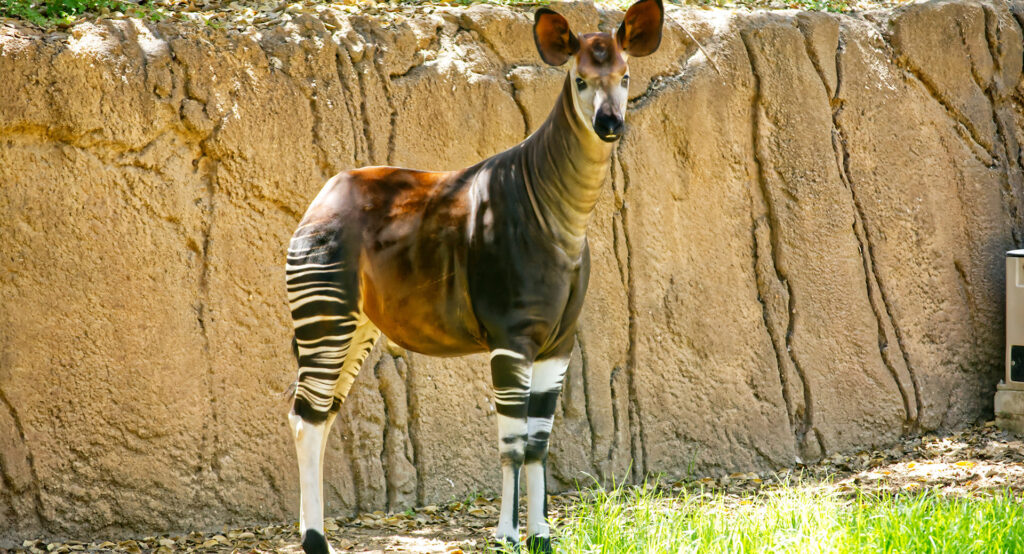
Even though they are solitary, okapis still communicate.
They produce soft sounds such as whistles, snorts, and chuffing noises. Mothers and calves sometimes communicate using very low-frequency sounds that humans cannot hear.
7. Okapis Have Long Flexible Tongues
Another remarkable okapi facts detail is their long tongue.
An okapi’s tongue can reach about 30 centimetres (12 inches) long. This allows them to pull leaves from branches and groom their own faces.
Their tongues are also dark in colour, which may help protect them from sunburn.
8. Okapis Eat a Variety of Plants
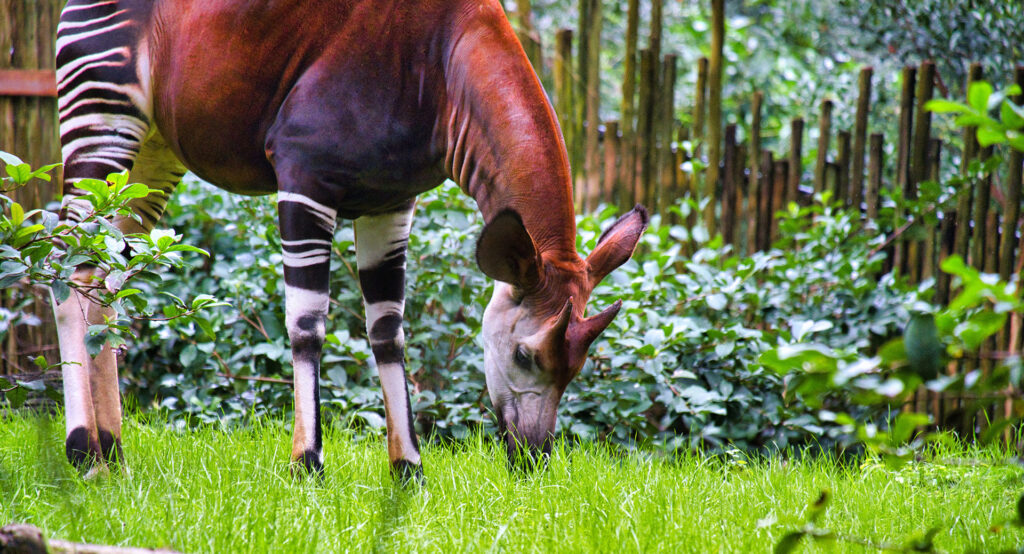
Okapis are herbivores that mainly feed on:
• leaves
• buds
• fruits
• fungi
• tree bark
Their diet includes many plant species found only in the Congo rainforest.
9. Okapis Use Scent Marking
One unusual okapi facts behaviour is scent marking.
Okapis have scent glands on their feet that leave a tar-like substance on the forest floor. These scent trails help them communicate territory and reproductive status.
10. Okapis Are an Endangered Species
Today, okapis face serious threats.
Habitat loss, illegal hunting, and conflict in the Congo Basin have caused their numbers to decline.
Because of this, the International Union for Conservation of Nature (IUCN) lists okapis as Endangered.
Why Okapis Are Important for Conservation
Okapis are an important symbol of the Congo rainforest’s biodiversity. Protecting the okapi also helps protect many other species living in the same ecosystem.
According to National Geographic, conserving rainforest habitats is essential for preserving species like the okapi that rely on dense forest environments.
Similarly, Britannica describes the okapi as one of Africa’s most unusual and biologically important mammals.
Related Animal Facts You Might Enjoy
Okapis are often described as one of the most unusual animals on Earth, combining features that resemble both zebras and giraffes. This uniqueness can also be seen in zebra stripe patterns, where markings play an important role in identification and survival.
As a rare forest-dwelling species, okapis highlight the importance of biodiversity and hidden ecosystems. You can explore similar ideas in rare animal discoveries, where unusual species reveal just how diverse wildlife can be.
Frequently Asked Questions
What are okapi facts?
Okapi facts describe the biology, behaviour, and habitat of okapis, one of the most mysterious mammals in Africa.
Where do okapis live?
Okapis live in the rainforests of the Democratic Republic of Congo in Central Africa.
Why do okapis have stripes?
The stripes on an okapi’s legs help camouflage the animal in dense rainforest vegetation.
Are okapis endangered?
Yes. Okapis are currently classified as endangered due to habitat loss, poaching, and environmental threats.
Conclusion
These fascinating okapi facts reveal the mystery and beauty of one of the world’s most unusual mammals. Hidden deep within the Congo rainforest, the okapi continues to intrigue scientists and wildlife enthusiasts alike. Protecting this rare species ensures that future generations can continue to learn about one of nature’s most remarkable animals.