
Discover 19 fascinating harbor of rio de janeiro facts, from natural wonders to history and geography. Explore why this iconic bay captivates millions.
The harbor of rio de janeiro facts reveal one of the most breathtaking natural settings in the world. Surrounded by dramatic mountains, lush forests, and iconic landmarks, this famous bay has captured the imagination of explorers, travellers, and scientists for centuries. From its discovery to its unique geography, there is far more to this location than just stunning views. In this guide, you will uncover surprising details, historical insights, and natural features that make Rio’s harbour truly extraordinary. Whether you love geography, travel, or trivia, these facts will give you a deeper appreciation of this world-famous destination.
If you enjoy dramatic coastal landscapes, you might also find these durdle door facts interesting, showing how natural forces shape iconic rock formations along the coastline.
For another powerful environment shaped by water, these bay of fundy facts reveal one of the most extreme tidal systems in the world.
🌍 19 Harbor of Rio de Janeiro Facts
🌊 Fact 1: One of the Largest Natural Harbours
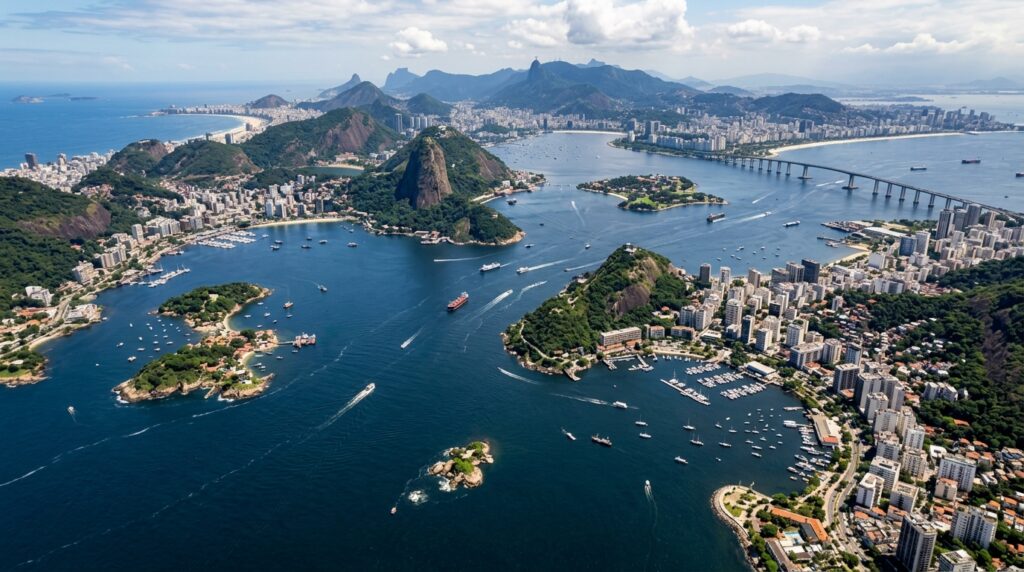
The harbour is often described as one of the largest natural harbours in the world, offering a vast sheltered area for ships.
🏞️ Fact 2: Surrounded by Granite Mountains
The harbour is framed by dramatic granite peaks, including Sugarloaf Mountain and Corcovado, creating a unique landscape.
🧭 Fact 3: Discovered in 1502
Portuguese explorers arrived in January 1502 and mistakenly believed the bay was the mouth of a river, giving Rio its name.
🌴 Fact 4: Rich Biodiversity
The surrounding Atlantic Forest is home to diverse wildlife, making the area ecologically important.
🚢 Fact 5: Important Port Location
The harbour has long served as a major port for trade and transport in Brazil.
🌎 Fact 6: Recognised by UNESCO
The landscape of Rio, including the harbour, is part of a UNESCO World Heritage Site due to its natural beauty.
🏔️ Fact 7: Home to Sugarloaf Mountain
Sugarloaf Mountain rises dramatically from the harbour and is one of Rio’s most iconic landmarks.
🌅 Fact 8: Famous for Stunning Sunsets
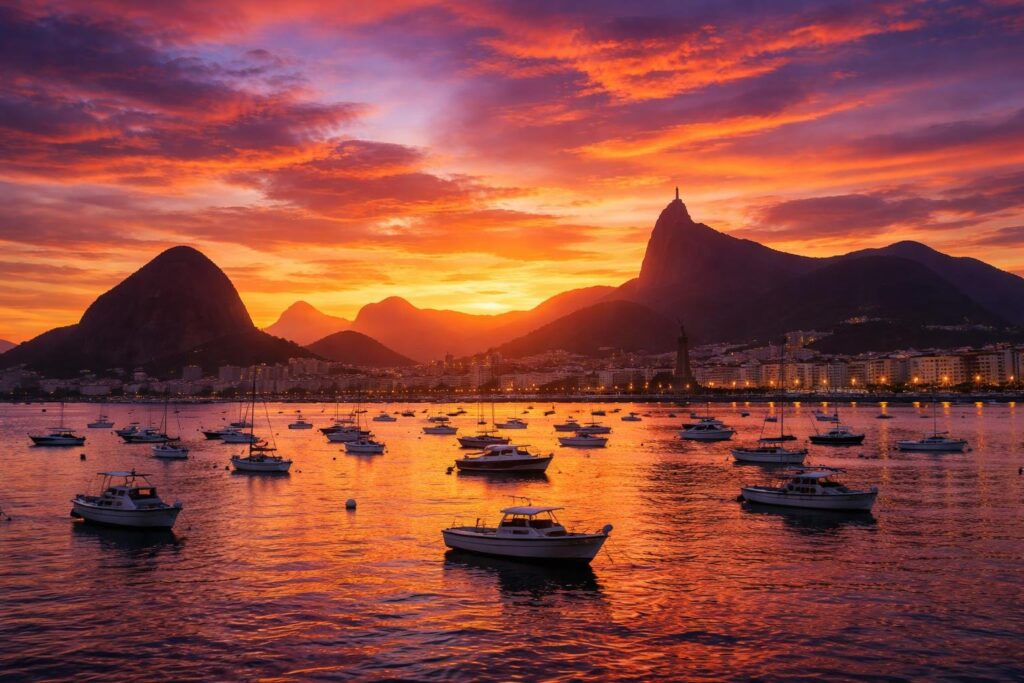
The harbour offers some of the most spectacular sunset views in the world.
🌊 Fact 9: Guanabara Bay
The harbour is actually part of Guanabara Bay, a large body of water with numerous islands.
🏝️ Fact 10: Contains Over 100 Islands
The bay includes many small islands, each adding to its unique geography.
🚤 Fact 11: Busy Water Traffic
Boats, ferries, and ships constantly move through the harbour, making it a lively maritime hub.
🌧️ Fact 12: Tropical Climate Influence
The harbour’s climate is warm and humid, contributing to lush vegetation.
🧱 Fact 13: Historic Forts
Several forts were built around the harbour to defend against invasions.
🧭 Fact 14: Strategic Importance
The harbour has played a key role in Brazil’s military and economic history.
🌄 Fact 15: Dramatic Coastal Views
The combination of sea and mountains creates one of the most photographed landscapes in the world.
🐬 Fact 16: Marine Life Presence
Dolphins and other marine species can sometimes be spotted in the bay.
🏙️ Fact 17: Close to Rio’s City Centre
The harbour sits right next to Rio de Janeiro, blending nature with urban life.
🌉 Fact 18: Iconic Backdrop for Tourism
Millions of tourists visit every year to experience the harbour’s beauty.
📸 Fact 19: Featured in Global Media
The harbour has appeared in films, documentaries, and travel shows worldwide.
Related Facts You Might Enjoy
The harbour of Rio de Janeiro is just one example of how nature creates breathtaking coastal landscapes. You can explore dramatic coastal formations in these durdle door facts, or discover powerful tidal environments in these bay of fundy facts. For a completely different type of landscape, these grand canyon facts show how rivers shape vast terrain. Explore more destinations in our places and landmarks facts collection.
🌐 External Authority Links
The harbour’s unique geography is widely recognised as one of the most striking natural landscapes in the world. According to research from Britannica, its dramatic combination of mountains, coastline, and urban surroundings makes it truly distinctive.
The region is also known for its rich biodiversity and coastal ecosystems. Insights from National Geographic highlight the importance of the surrounding environment and its role in shaping the harbour’s natural beauty.
FAQ Section
What is the harbor of Rio de Janeiro called?
The harbour is part of Guanabara Bay, a large natural bay located in southeastern Brazil. It is often referred to simply as Rio’s harbour.
Why is the harbor of Rio de Janeiro famous?
It is famous for its stunning scenery, surrounded by mountains, beaches, and iconic landmarks like Sugarloaf Mountain and Christ the Redeemer.
How was Rio de Janeiro named?
ortuguese explorers believed the bay was the mouth of a river when they arrived in January 1502, which led to the name “River of January.”
Is the harbor of Rio de Janeiro natural?
Yes, it is a natural harbour formed by geological processes over millions of years, creating its unique shape and landscape.
Conclusion
These harbor of rio de janeiro facts highlight why this destination remains one of the most beautiful and fascinating natural harbours in the world. From its dramatic geography to its rich history and biodiversity, Rio’s harbour offers far more than just scenic views. Whether you are exploring its past or admiring its landscapes, it continues to inspire travellers and researchers alike.





This design is incredible! You obviously know how to keep a reader amused. Between your wit and your videos, I was almost moved to start my own blog (well, almost…HaHa!) Wonderful job. I really loved what you had to say, and more than that, how you presented it. Too cool!