
Discover fascinating elephant facts about the world’s largest land animals, including their intelligence, social behaviour, and incredible survival abilities.
Elephant Facts: Discover the Incredible World of Elephants
Elephants are among the most remarkable animals on Earth. Learning elephant facts reveals just how intelligent, powerful, and socially complex these magnificent creatures truly are. Known for their enormous size, long trunks, and strong family bonds, elephants have fascinated humans for centuries.
These giants roam grasslands, forests, and savannas across Africa and Asia, shaping the ecosystems around them. Their behaviour, communication, and emotional intelligence make them one of the most studied animals in the wild.
In this guide, you will discover fascinating elephant facts about their size, abilities, behaviour, and why protecting these extraordinary animals is so important.
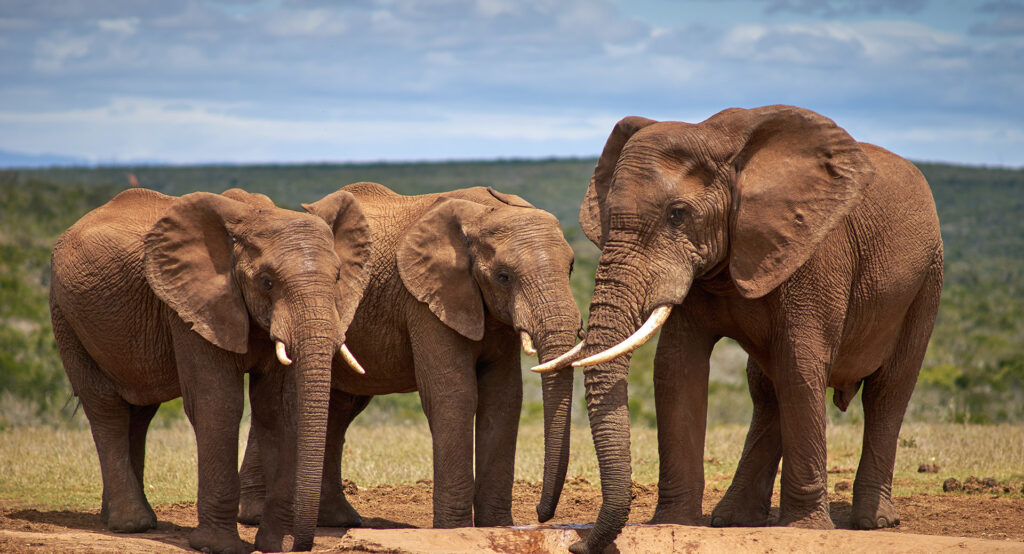
Elephant Facts: 35 Incredible Discoveries About These Gentle Giants
These elephant facts highlight the amazing traits that make elephants one of the most fascinating animals on our planet.
1. Elephants Are the Largest Land Animals
One of the most well-known elephant facts is that elephants are the largest animals living on land today.
Adult elephants can grow several metres tall and weigh several tons.
2. There Are Two Main Elephant Species
Scientists recognise two major elephant species:
• African elephants
• Asian elephants
African elephants are generally larger and have bigger ears.
3. African Elephants Are the Largest
African elephants can weigh more than 13,000 pounds (6,000 kg) and are the largest of all elephant species.
4. Elephants Have Long Lifespans
Another fascinating elephant facts discovery is their longevity.
Elephants can live up to 70 years, making them one of the longest-living land mammals.
5. Elephants Have Exceptional Memory
Elephants are famous for their remarkable memory. They can remember migration routes, water sources, and other elephants for many years.
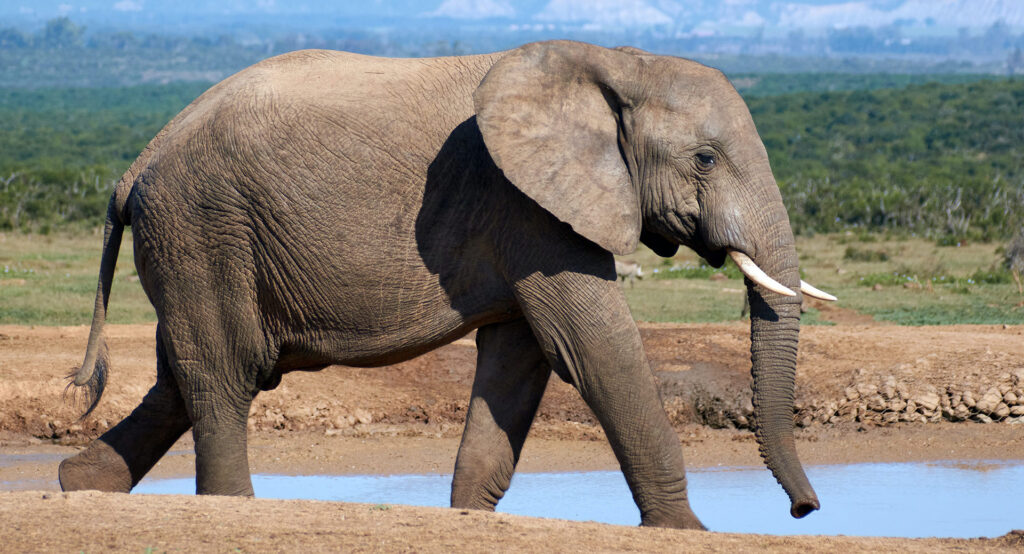
6. Elephants Can Smell Water From Miles Away
An elephant’s sense of smell is incredibly powerful.
They can detect water sources from several miles away using their trunks.
7. Elephants Eat Large Amounts of Food
Elephants are herbivores and eat a wide range of vegetation.
They can consume up to 300 pounds of food per day, including grasses, leaves, bark, and fruit.
8. Elephants Communicate in Complex Ways
Elephants communicate using vocal sounds, body language, and low-frequency rumbling calls.
Some of these sounds travel long distances through the ground.
9. Elephant Herds Are Led by Matriarchs
Elephants live in close family groups called herds.
The group is usually led by an older female known as the matriarch, who guides the herd.
10. Elephants Are Extremely Intelligent
Many elephant facts highlight their intelligence.
Elephants have demonstrated problem-solving skills, self-recognition, and emotional awareness.
11. Elephants Can Learn New Skills
In some situations, elephants have been trained to perform tasks, including painting or assisting with conservation work.
12. Elephant Trunks Are Multi-Purpose Tools
The trunk is one of the most remarkable parts of an elephant’s body.
It is an extension of the nose and upper lip used for breathing, smelling, touching, and grabbing objects.
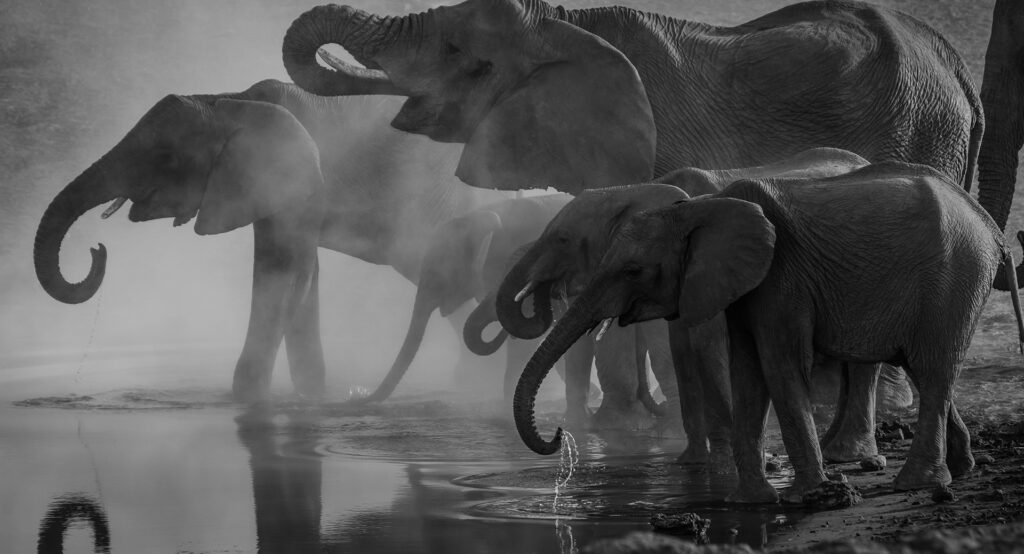
13. Elephants Drink Using Their Trunks
Elephants suck water into their trunks and then spray it into their mouths.
A trunk can hold several litres of water at once.
14. Elephants Have Massive Teeth
Elephants have large molar teeth that can weigh up to 10 pounds each.
15. Elephants Replace Teeth Several Times
Elephants replace their molars multiple times during their lives.
When the final set wears down, it becomes difficult for older elephants to eat.
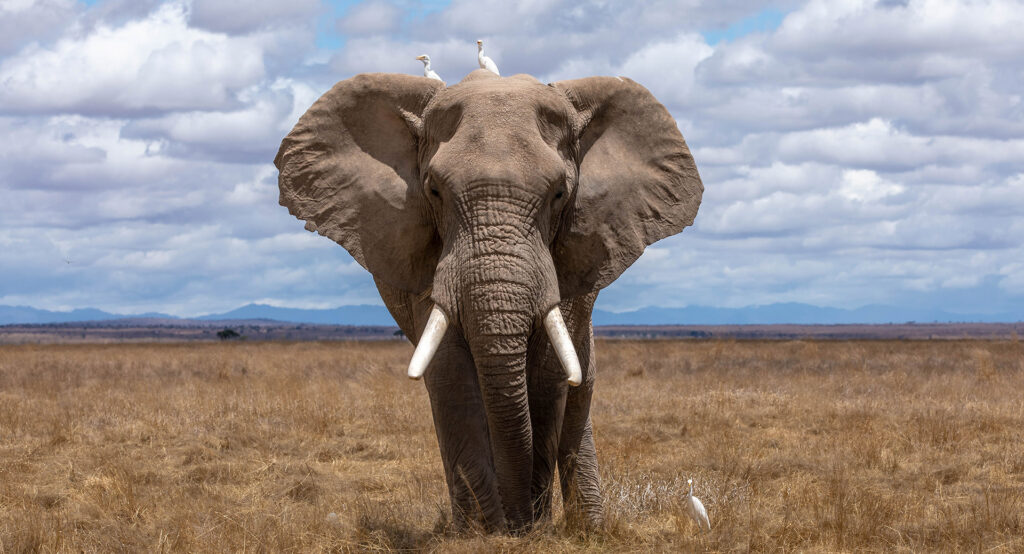
16. Elephant Tusks Serve Many Purposes
Tusks are elongated teeth used for:
• digging
• lifting objects
• stripping bark
• self-defence
17. Male Elephants Use Tusks to Compete
Male elephants, known as bulls, sometimes fight using their tusks during mating competitions.
18. Elephant Mothers Raise Calves
Female elephants usually give birth to one calf at a time.
Pregnancy lasts nearly 22 months, the longest gestation of any land animal.
19. Elephant Calves Are Surprisingly Large
Newborn elephants can weigh around 260 pounds (118 kg).
Despite their size, they remain dependent on their mothers for years.
20. Elephants Show Deep Emotions
One of the most touching elephant facts is their emotional intelligence.
Elephants have been observed mourning dead members of their herd.
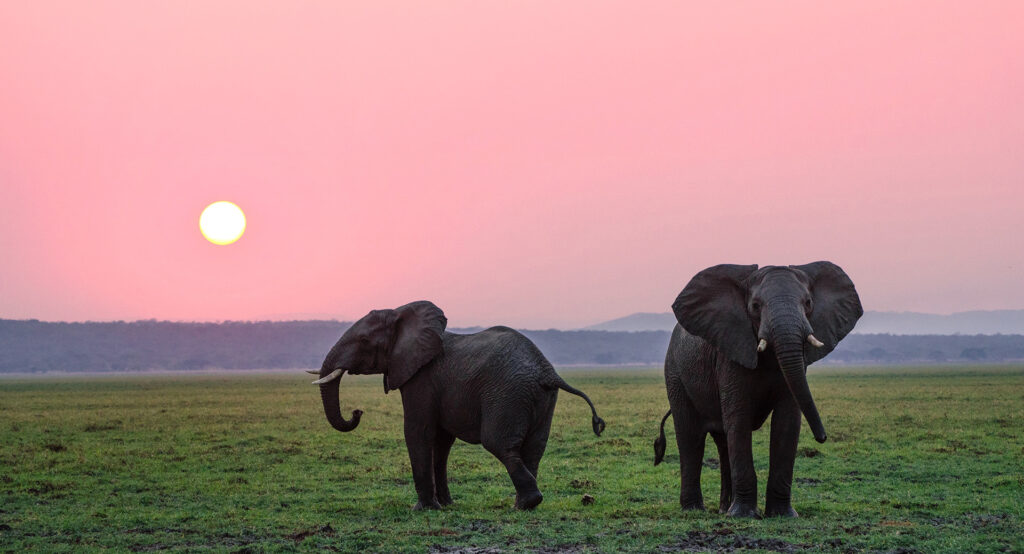
21. Elephants Enjoy Playing
Elephants often display playful behaviour.
They may splash in water, roll in mud, or chase each other for fun.
22. Elephant Skin Is Extremely Thick
Elephant skin can be up to one inch thick in some areas.
However, it remains sensitive to touch and insect bites.
23. Elephant Ears Help Control Body Temperature
Elephants use their large ears to release heat and cool their bodies.
Flapping their ears helps regulate body temperature.
24. Elephants Use Simple Tools
Elephants have been seen using sticks or branches to scratch themselves or swat insects.
25. Elephants Can Walk Quietly
Despite their enormous size, elephants can walk surprisingly quietly by placing their feet gently on the ground.

26. Elephants Are Strong Swimmers
Elephants are excellent swimmers and can travel long distances through water.
Their trunks act as natural snorkels when swimming.
27. Elephants Use Mud as Protection
Elephants often cover themselves with mud.
This acts as sunscreen and protects their skin from insects.
28. Elephants Have Worked Alongside Humans
Throughout history, elephants have helped humans with transportation, construction, and even warfare.
29. Elephants Appear in Culture and Mythology
Many cultures view elephants as symbols of wisdom, strength, and longevity.
They appear frequently in art, religion, and folklore.
30. Elephants Face Conservation Threats
Many elephant populations are threatened by habitat loss and poaching.
Protecting elephants is essential for maintaining healthy ecosystems
31. Elephants Shape Their Ecosystems
Elephants are considered keystone species.
By knocking down trees and spreading seeds, they influence the environment around them.
32. Elephants Can Run Faster Than Expected
Despite their size, elephants can run up to 25 miles per hour (40 km/h).
33. Elephants Have a Unique Walking Style
Elephants move both legs on one side of their body forward at the same time, giving them a distinctive walking motion.
34. Elephants Have Strong Family Bonds
Elephants form lifelong relationships with other herd members.
These bonds help them protect calves and share knowledge.
35. Elephants Show Altruistic Behaviour
Elephants have been observed helping injured herd members and protecting orphaned calves.
These behaviours highlight their strong social intelligence.
According to research from National Geographic elephant facts guide, African elephants are the largest land animals on Earth and play an important role in shaping their ecosystems by spreading seeds and creating water sources for other wildlife.
According to Britannica’s overview of elephants, elephants are the largest living land mammals and are recognised by their long trunks, large ears, and powerful tusks used for feeding and defence.
Scientists have also discovered that elephants communicate through low-frequency sounds and vibrations that can travel long distances through the ground.
Related Animal Facts You Might Enjoy
Elephants are known for their intelligence and strong social bonds, but they are not the only animals with complex behaviour. You can see similar traits in fox behaviour in the wild, where adaptability and communication play a key role in survival.
Large mammals also rely on memory and environmental awareness, which is explored further in bear survival facts, showing how different species adapt to changing conditions.
Frequently Asked Questions
What are elephant facts?
Elephant facts describe the behaviour, biology, and habitats of elephants, including their intelligence, communication, and social structure.
How many species of elephants exist?
There are two main elephant species: African elephants and Asian elephants.
Why are elephants important to ecosystems?
Elephants help shape their environments by spreading seeds, creating water holes, and clearing vegetation.
How intelligent are elephants?
Elephants are among the most intelligent animals, capable of memory, empathy, and complex communication.
Conclusion
These fascinating elephant facts reveal why elephants are among the most remarkable animals on Earth. Their intelligence, strong family bonds, and ecological importance make them essential to the environments they inhabit. Protecting elephants ensures that these incredible animals continue to thrive for future generations.







I will right away seize your rss as I can’t find your email subscription link or e-newsletter service. Do you’ve any? Kindly allow me recognise so that I may just subscribe. Thanks.