Discover ancient Egypt facts that reveal secrets of pyramids, pharaohs, and mummies. Explore 15 fascinating insights into one of history’s greatest civilizations.
Ancient Egypt facts reveal one of the most fascinating and influential civilisations in human history. Emerging along the Nile River over 5,000 years ago, this powerful society developed advanced architecture, writing systems, and religious beliefs that continue to capture global interest today. These ancient Egypt facts highlight the achievements, mysteries, and daily life of a civilisation that shaped the ancient world.
In this guide, you will explore 15 detailed ancient Egypt facts that explain how this remarkable civilisation thrived, what made it unique, and why it still fascinates people today.
The development of communication systems in ancient Egypt is closely linked to the broader evolution explored in writing facts.
Ancient Egypt Facts That Reveal a Lost Civilization
Fact 1: Ancient Egypt Is One of the Oldest Civilisations
One of the most important ancient Egypt facts is that it began over 5,000 years ago along the Nile River, making it one of the earliest known civilisations.
Fact 2: The Nile River Made Life Possible
The Nile River provided water, fertile soil, and transport routes, allowing the civilisation to grow and thrive in an otherwise desert region.
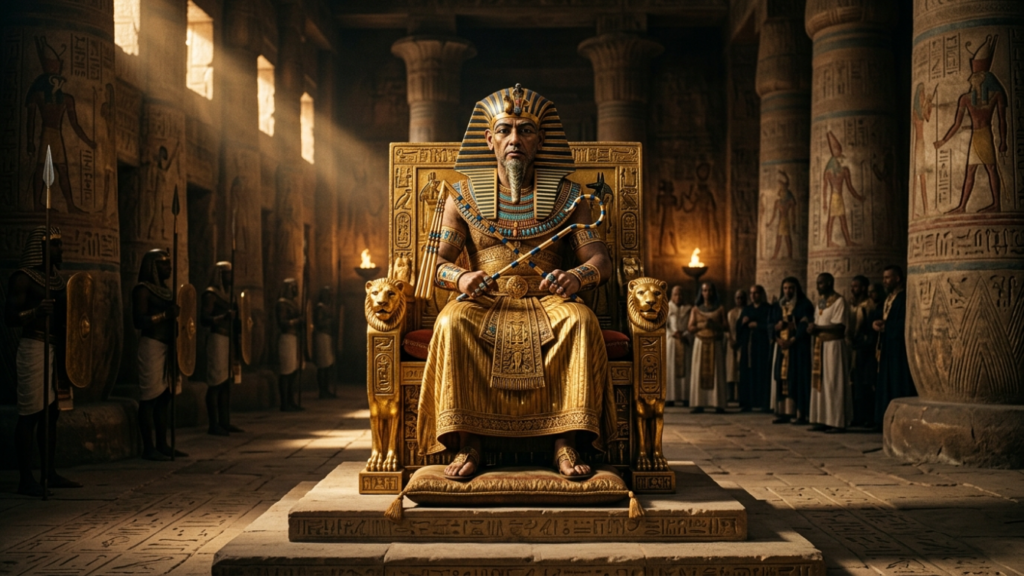
Fact 3: Egypt Was Ruled by Pharaohs
Pharaohs were both political leaders and religious figures, believed to be connected to the gods and responsible for maintaining order.
Fact 4: The Civilisation Lasted Over 3,000 Years
Ancient Egypt thrived for thousands of years through multiple dynasties, making it one of the longest-lasting civilisations in history.
Fact 5: The Egyptians Built Massive Pyramids
The pyramids, especially those at Giza, were built as tombs for pharaohs and are among the largest structures ever created.
Fact 6: Mummification Was Central to Belief
Ancient Egyptians preserved bodies through mummification because they believed in an afterlife where the body was still needed.
Fact 7: They Worshipped Many Gods
Religion played a central role in daily life, with Egyptians worshipping hundreds of gods and goddesses connected to nature and life events.
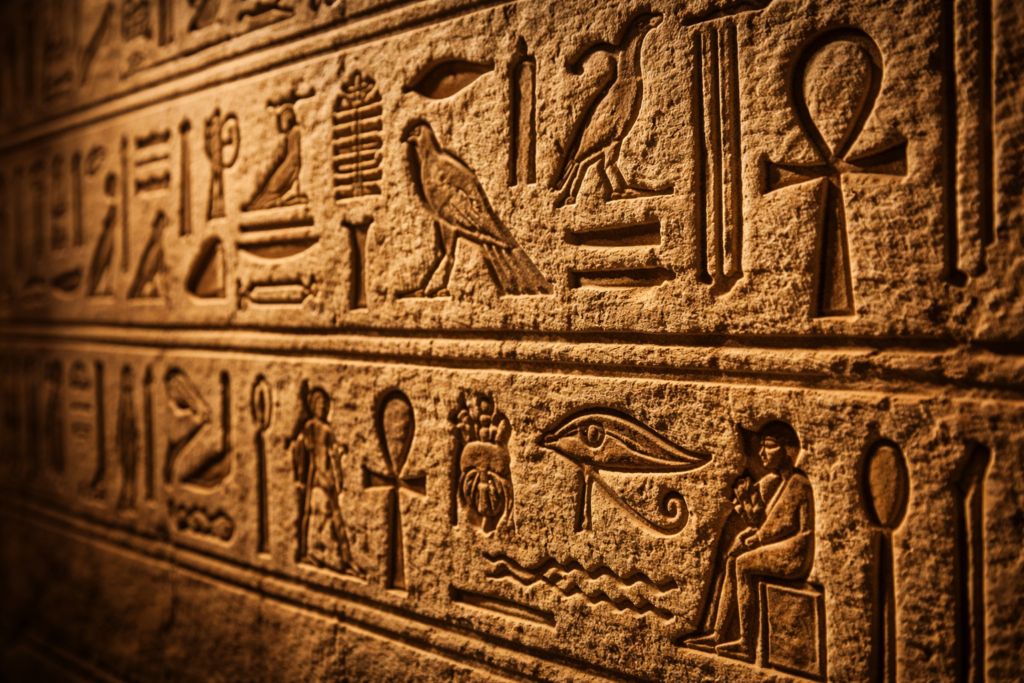
Fact 8: Hieroglyphics Were Their Writing System
Ancient Egyptians used a complex system of symbols known as hieroglyphics to record information and tell stories.
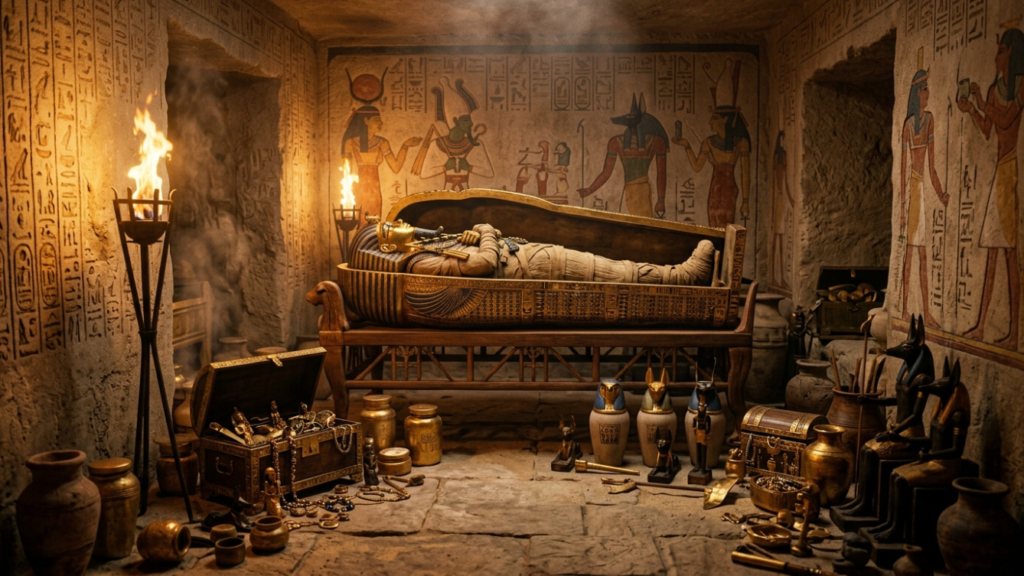
Fact 9: Tombs Were Filled with Everyday Items
Because they believed in life after death, Egyptians placed food, tools, and valuables in tombs to use in the next world.
Fact 10: The Pyramids Took Years to Build
Construction of pyramids required massive organisation, skilled workers, and access to resources like stone transported via the Nile.
Fact 11: Egypt Had Advanced Engineering Skills
From pyramids to temples and irrigation systems, ancient Egypt demonstrated remarkable engineering and architectural knowledge.
Fact 12: Cleopatra Lived Closer to Modern Times
One surprising ancient Egypt fact is that Cleopatra lived closer to today than to the time when the pyramids were built.
Fact 13: The Climate Helped Preserve History
Egypt’s dry climate preserved buildings, artefacts, and even mummies, allowing historians to learn more about the civilisation.
Fact 14: Ancient Egypt Was a Major Cultural Power
At its height, Egypt influenced surrounding regions through trade, culture, and political power.
Fact 15: Many Mysteries Still Remain
Despite extensive research, many aspects of ancient Egypt, including construction techniques and cultural practices, remain debated today.
Related History Facts You Might Enjoy
Ancient Egypt developed complex systems of writing, belief, and governance that shaped early civilisation. These foundations are explored further in writing facts, which show how communication evolved.
As global connections expanded, early civilisations influenced later discovery. This can be seen in the age of exploration facts, where knowledge of the world continued to grow.
👉 Explore ancient history: History facts hub
FAQ Section
What are ancient Egypt facts?
Ancient Egypt facts are key insights about one of the world’s earliest civilisations, including its culture, rulers, and achievements.
When did ancient Egypt exist?
Ancient Egypt existed from around 3100 BC until 30 BC, lasting over 3,000 years.
Why are pyramids important?
Pyramids were built as tombs for pharaohs and symbolised power, belief in the afterlife, and advanced engineering.
What did ancient Egyptians believe?
They believed in many gods and an afterlife, which influenced their daily life, rituals, and burial practices.
Conclusion
Ancient Egypt facts show how a civilisation built along the Nile became one of the most powerful and influential in history. These ancient Egypt facts highlight the achievements, beliefs, and mysteries that continue to captivate the world today.