Discover 20 incredible mount everest facts, from extreme height and history to survival challenges. Explore the world’s highest mountain today.
These mount everest facts reveal why this legendary peak continues to capture global attention. Standing as the highest point on Earth, Mount Everest is far more than just a mountain. It is a place of extreme conditions, incredible human achievement, and fascinating natural history. From its towering height to the dangers climbers face near the summit, Everest is full of surprising details that many people do not realise. In this guide, you will explore powerful insights into its geography, history, and unique environment. Whether you love adventure, science, or trivia, these facts will give you a deeper understanding of this iconic peak.
🏔️ 20 Mount Everest Facts
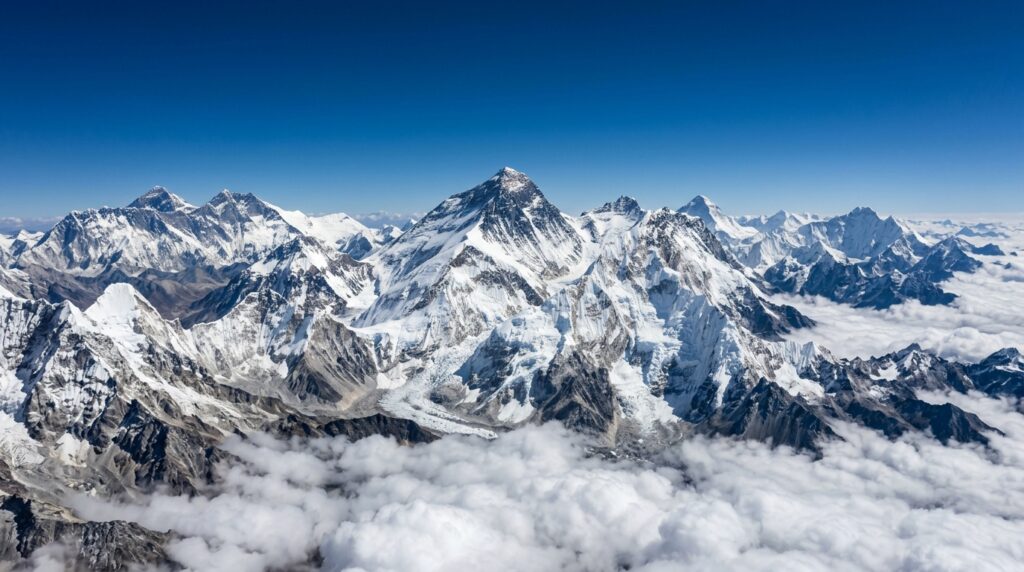
🌍 Fact 1: The Highest Mountain on Earth
Mount Everest is the highest mountain above sea level, reaching about 8,849 metres (29,032 feet).
📍 Fact 2: Located Between Two Countries
Everest sits on the border between Nepal and Tibet (China), making it internationally significant.
🧭 Fact 3: Originally Called Peak XV
Before its current name, it was known as Peak XV during early surveys.
🏔️ Fact 4: Named After Sir George Everest
The mountain was named after a British surveyor, although he never saw it himself.
🏕️ Fact 5: First Climbed in 1953
Sir Edmund Hillary and Tenzing Norgay reached the summit on May 29, 1953.
If you are interested in how extreme environments are shaped, it is worth exploring these glacier facts, which explain the powerful role of ice in forming some of the world’s harshest landscapes.
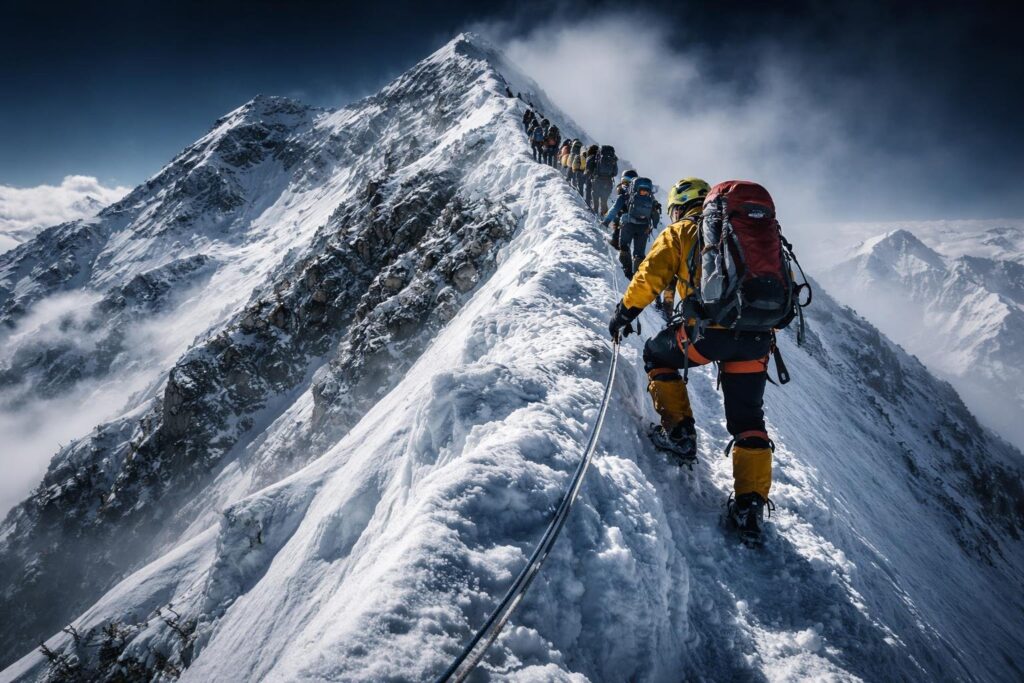
🌬️ Fact 6: Oxygen Levels Are Extremely Low
At the summit, air pressure is about one-third of sea level, making breathing very difficult.
❄️ Fact 7: The “Death Zone” Exists
Above 8,000 metres, the human body cannot survive for long without supplemental oxygen.
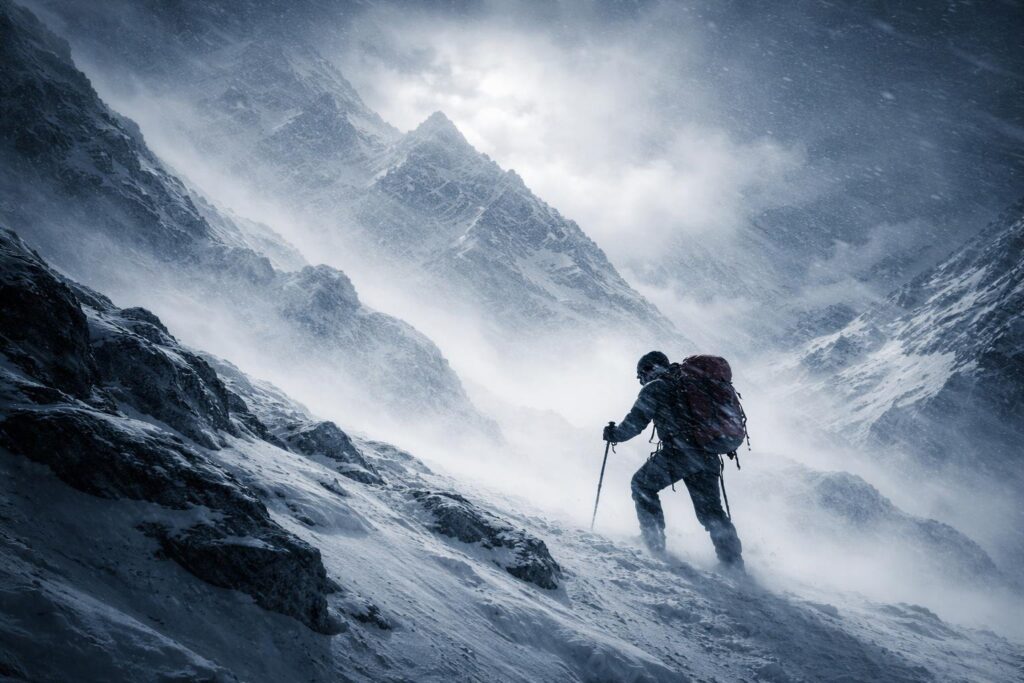
🧊 Fact 8: Covered in Glaciers
Massive glaciers surround the mountain, shaping its landscape over time.
🌊 Fact 9: Once Under the Ocean
Marine fossils found near the summit show the mountain was once part of the ocean floor.
🏔️ Fact 10: Still Growing
Everest continues to rise due to tectonic activity in the Himalayas.
🌡️ Fact 11: Extreme Weather Conditions
Temperatures can drop below -60°C, with powerful winds making conditions deadly.
🧭 Fact 12: Multiple Climbing Routes
There are two main routes, one from Nepal and one from Tibet.
For another example of how natural forces shape dramatic terrain, these grand canyon facts reveal how erosion can transform entire regions over time.
🧗 Fact 13: Thousands Attempt the Climb
Every year, hundreds of climbers attempt to reach the summit.
⚠️ Fact 14: Dangerous Icefall
The Khumbu Icefall is one of the most dangerous sections of the climb.
🏔️ Fact 15: Local Names Have Meaning
In Nepal it is called Sagarmatha, meaning “Peak of Heaven,” and in Tibet, Chomolungma.
🧠 Fact 16: High Risk of Altitude Sickness
Low oxygen levels can cause severe health problems for climbers.
🧊 Fact 17: Bodies Remain on the Mountain
Due to extreme conditions, many bodies cannot be safely recovered.
🌄 Fact 18: Iconic Himalayan Formation
Everest is part of the Himalayas, formed by tectonic plate collisions millions of years ago.
📏 Fact 19: Height Has Changed Over Time
Modern measurements use GPS and satellite technology to determine its height.
🌍 Fact 20: A Global Symbol of Achievement
Climbing Everest is widely seen as one of the greatest physical challenges in the world.
Related Facts You Might Enjoy
If you enjoyed learning about the extremes of Mount Everest, you might also find it fascinating to explore how ice shapes the planet in these glacier facts. For a different type of dramatic landscape, these grand canyon facts show how rivers carve vast geological formations over millions of years. You can also discover the coastal scenery and natural beauty in these harbour facts about Rio de Janeiro. For even more incredible locations, visit our full collection of places and landmarks facts.
External Authority Links
Mount Everest is widely recognised as the highest mountain on Earth, with a height of over 8,849 metres. According to Britannica, it sits on the border between Nepal and Tibet and remains one of the most studied natural landmarks.
The extreme conditions at the summit are also well documented. Research from National Geographic highlights how low oxygen levels and harsh weather make survival incredibly difficult at high altitudes.
FAQ Section
How tall is Mount Everest?
Mount Everest stands at approximately 8,849 metres (29,032 feet) above sea level. It is the highest mountain on Earth.
Why is Mount Everest dangerous?
Extreme cold, low oxygen levels, and unpredictable weather make climbing Everest very risky. The “Death Zone” adds to the danger.
How many people have climbed Mount Everest?
Thousands of climbers have successfully reached the summit, but it remains a challenging and dangerous achievement.
Is Mount Everest still growing?
Yes, the mountain continues to grow slowly due to tectonic activity in the Himalayas.
Conclusion
These mount everest facts show that the world’s highest mountain is not just about height, but also history, danger, and natural wonder. From its extreme conditions to its global significance, Mount Everest remains one of the most fascinating places on Earth.