
Animal Facts: 50 Fascinating Facts About Wildlife Around the World
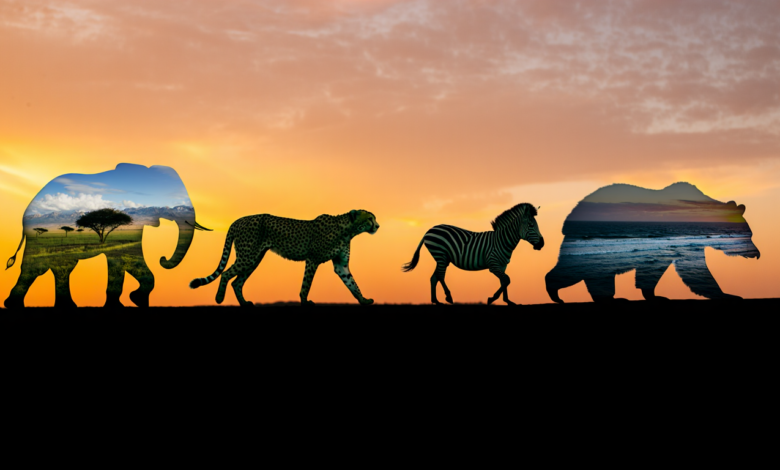
Discover fascinating animal facts about wildlife around the world, from intelligent elephants to powerful bears and lightning-fast cheetahs. The natural world is filled with incredible creatures, and learning animal facts helps us understand how wildlife survives, adapts, and thrives in different environments.
From everyday pets to rare species found in remote habitats, the animal kingdom is full of surprises. In this guide, you will explore animal facts across a wide range of species, learn how animals adapt to their environments, and understand why wildlife continues to captivate scientists and nature lovers alike.
Amazing Animal Facts From Around the World
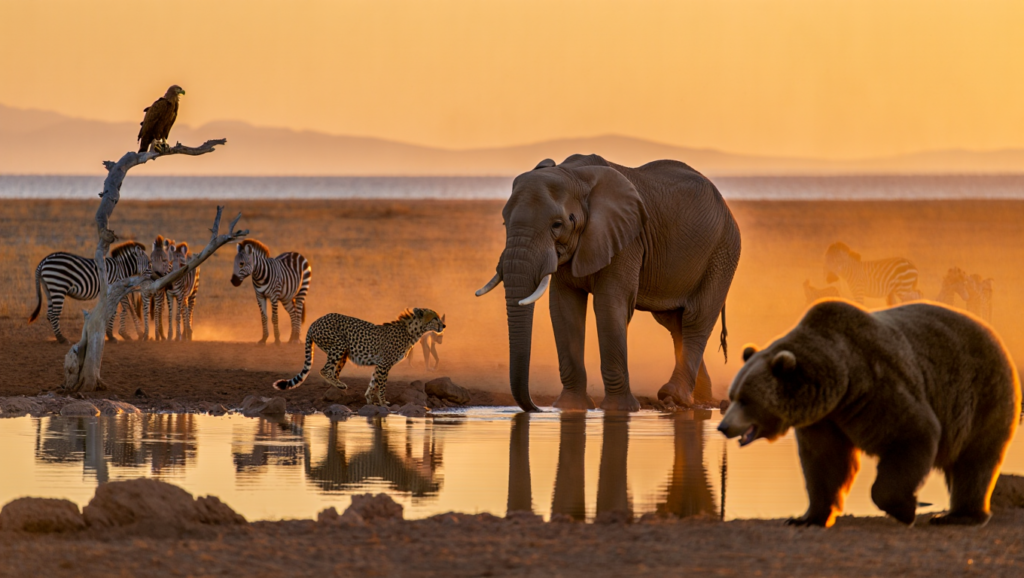
The planet is home to millions of species, each with unique behaviours and survival strategies. Some of the most impressive animal facts come from large, intelligent mammals such as elephants, known for their memory and emotional intelligence. These traits are explored in more detail in facts about elephants, where their complex behaviour becomes even more clear.
Powerful animals like bears also demonstrate how strength and adaptation influence survival. From hibernation to extreme climate resilience, these traits are explained in bear survival facts, showing how species evolve to handle harsh environments.
Speed, Survival and Natural Instincts
Speed is one of the most fascinating aspects of wildlife, and few animals demonstrate it better than cheetahs. Known as the fastest land animals on Earth, their acceleration and agility are key survival tools, as explored in cheetah speed facts. These adaptations allow them to thrive in open landscapes where speed determines success.
Other animals rely on visual identity and group behaviour to survive. Zebras, for example, use their distinctive stripe patterns not only for camouflage but also for recognition, which is explained further in zebra stripe facts.
Pets and Animals We Live With
Animal facts are not limited to wildlife. Many fascinating discoveries come from animals we live with every day. Domestic cats, for example, retain strong hunting instincts and sensory abilities, as shown in cat behaviour facts.
Dogs also show remarkable abilities, particularly their sense of smell and emotional intelligence. These traits are explored in dog intelligence facts, explaining why they are such effective companions and working animals.
Even smaller pets display complex behaviour. For example, hamster behaviour facts reveal how these animals store food and build underground systems to survive.
Intelligence and Adaptability in the Wild
Some animals are known not just for physical ability, but for intelligence and adaptability. Foxes are a perfect example, thriving in both natural and urban environments through clever hunting strategies. These behaviours are explored in fox survival facts, showing how adaptable they truly are.
This ability to adapt is one of the most important animal facts across all species, allowing animals to survive changing environments and evolving threats.

Marine Life and Ocean Giants
The oceans are home to some of the largest and most mysterious animals on Earth. Among them are whales, which are not only enormous but also highly intelligent and social creatures. Their behaviour is explored in facts about whales, revealing how they communicate and migrate across vast distances.
Marine ecosystems depend on these animals to maintain balance, showing how important each species is within the wider environment.
Rare Animals and the Importance of Biodiversity
Some of the most fascinating animal facts come from rare species that live in isolated environments. These animals often develop unique adaptations that are not seen anywhere else in the animal kingdom.
Studying rare wildlife helps scientists understand biodiversity and highlights the importance of conservation and protecting fragile ecosystems.
Why Animal Facts Matter
Learning animal facts helps scientists and conservationists better understand ecosystems and the relationships between species. Predators regulate populations, herbivores shape vegetation, and pollinators support plant life.
According to National Geographic, biodiversity plays a critical role in maintaining healthy ecosystems. Similarly, Britannica explains how species diversity supports long-term environmental stability.
The Incredible Diversity of the Animal Kingdom
The animal kingdom spans millions of species across rainforests, deserts, oceans, and polar regions. Each environment requires unique adaptations, from camouflage and speed to intelligence and cooperation.
Scientists continue discovering new species every year, showing that there is still much to learn about the natural world.
Explore More Animal Facts
This page is part of a growing collection of animal facts designed to make learning simple and engaging.
Frequently Asked Questions
What are animal facts?
Animal facts are interesting pieces of information about wildlife behaviour, biology, habitats, and survival strategies. These facts help explain how animals live and adapt in the natural world.
Why are animal facts important?
Animal facts help scientists understand ecosystems and biodiversity. Learning about wildlife also helps raise awareness about conservation and protecting endangered species.
Where do scientists learn animal facts?
Researchers learn animal facts through field studies, observation, tracking technology, and ecological research. Many discoveries come from long-term studies of animal behaviour.
Why do people enjoy learning animal facts?
People are naturally curious about wildlife. Animal facts reveal surprising abilities, unusual behaviours, and the incredible diversity of life on Earth.
