
Discover amazing rare animal facts about unusual creatures from around the world, including the axolotl, narwhal, aye-aye, and other rare animals.
Rare Animal Facts: Discover Some of the World’s Most Unusual Creatures
Our planet is home to an incredible variety of wildlife, and learning rare animal facts reveals just how diverse life on Earth truly is. While many animals are familiar, some species are so unusual or elusive that most people have never even heard of them.
From deep-sea fish and mysterious forest mammals to rare amphibians and strange birds, these creatures showcase the fascinating ways animals adapt to survive in unique environments. In this guide, you’ll explore fascinating rare animal facts about twenty extraordinary species that highlight the beauty and diversity of the natural world.
Rare Animal Facts: 20 Extraordinary Animals From Around the World
These rare animal facts reveal some of the most unusual and fascinating species found across different continents and ecosystems.
1. Axolotl
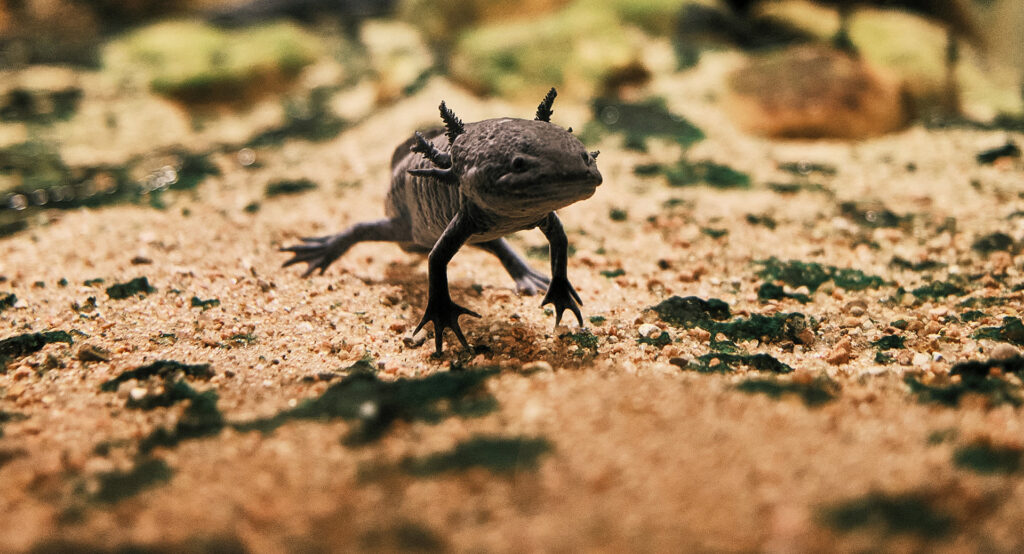
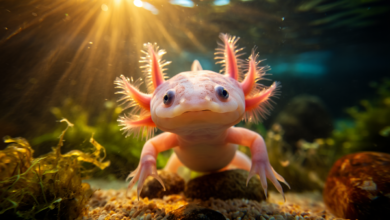
The axolotl is a unique amphibian native to Mexico. One of the most fascinating rare animal facts is that axolotls retain their juvenile features throughout their entire lives, including their feathery external gills.
These remarkable creatures are also famous for their ability to regenerate limbs and organs.
2. Okapi
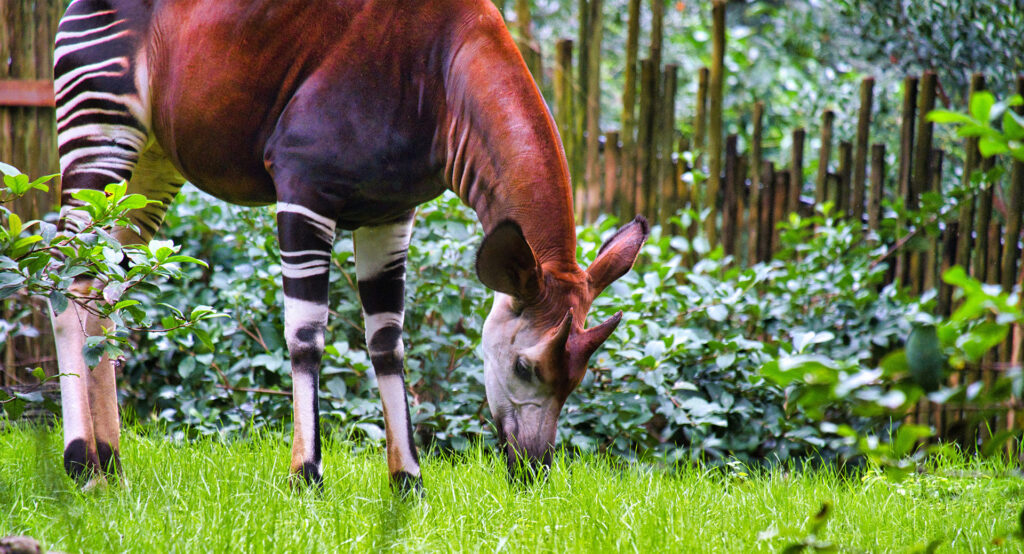
The okapi is often described as a mix between a giraffe and a zebra. Native to the forests of the Congo Basin, this shy animal has zebra-like stripes on its legs but is actually closely related to the giraffe.
3. Aye-Aye
The aye-aye is a strange lemur from Madagascar. It has long fingers used to tap on trees and locate insects hidden beneath the bark.
This unusual feeding technique makes it one of the most unique primates in the world.
4. Narwhal
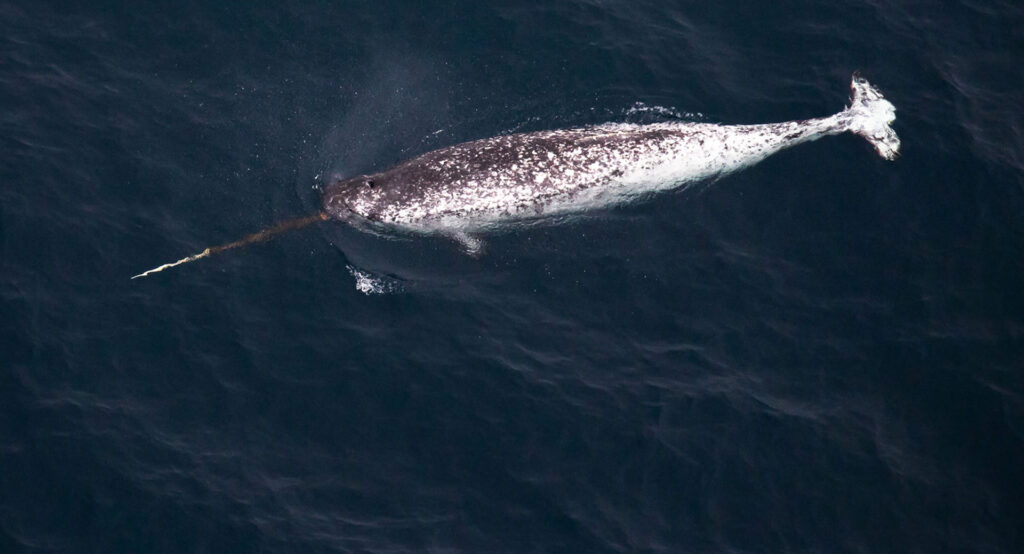
Narwhals are Arctic whales famous for their long spiral tusks. These tusks can grow up to 10 feet long and are actually elongated teeth.
Because of this remarkable feature, narwhals are often called the “unicorns of the sea.”
5. Pangolin
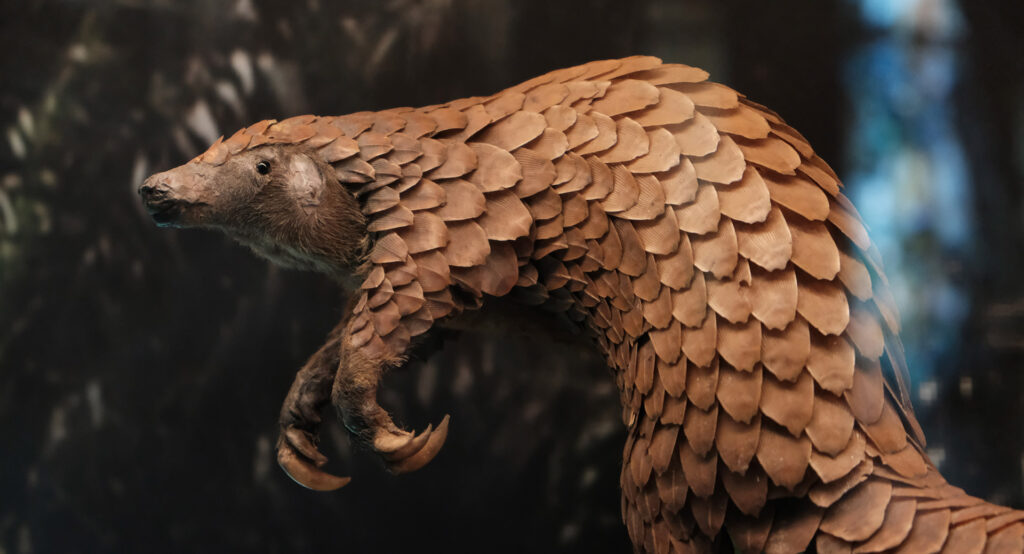
The pangolin is the only mammal in the world covered entirely in protective scales. These scales act as armour against predators.
When threatened, pangolins curl into a tight ball to protect themselves.
6. Saola
The saola is one of the rarest large mammals on Earth. Sometimes called the “Asian unicorn,” it lives in remote forests in Vietnam and Laos.
Because it is so rarely seen, scientists know very little about its behaviour.
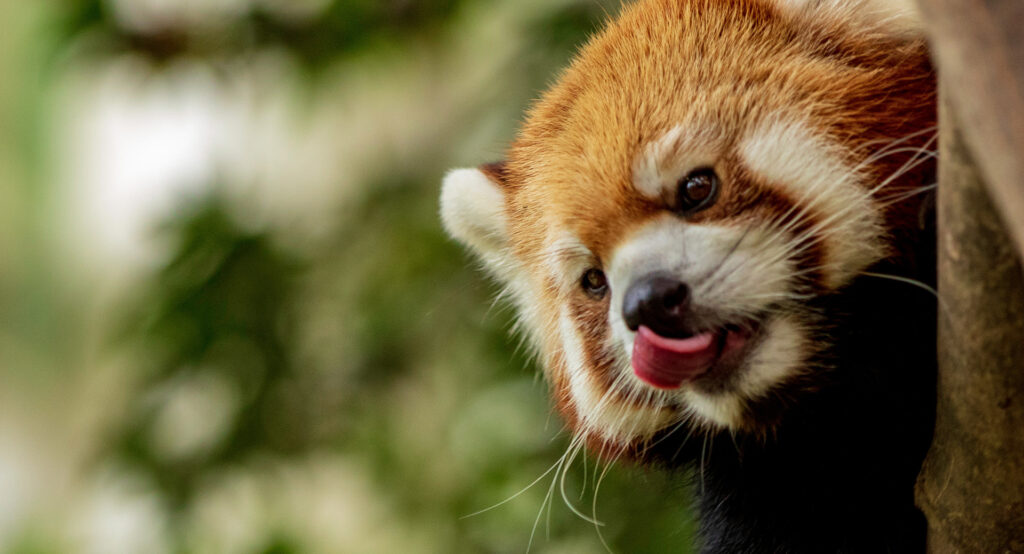
7. Red Panda
The red panda is a small tree-dwelling mammal found in the Himalayan region.
Despite its name, it is not closely related to the giant panda. Instead, it belongs to its own unique animal family.
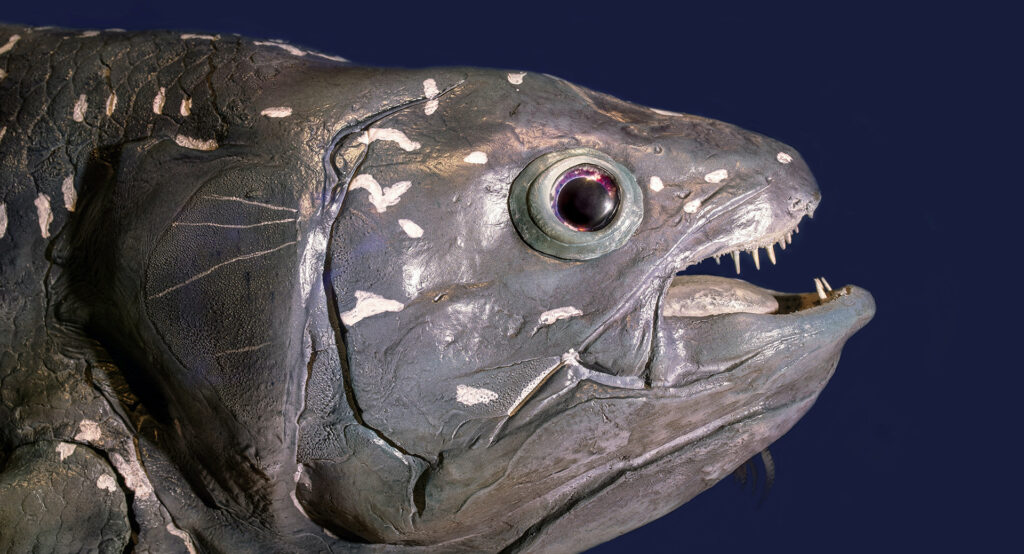
8. Coelacanth
The coelacanth is often called a “living fossil.” This deep-sea fish was once believed to be extinct until a living specimen was discovered in 1938.
Scientists consider it one of the most important discoveries in modern marine biology.
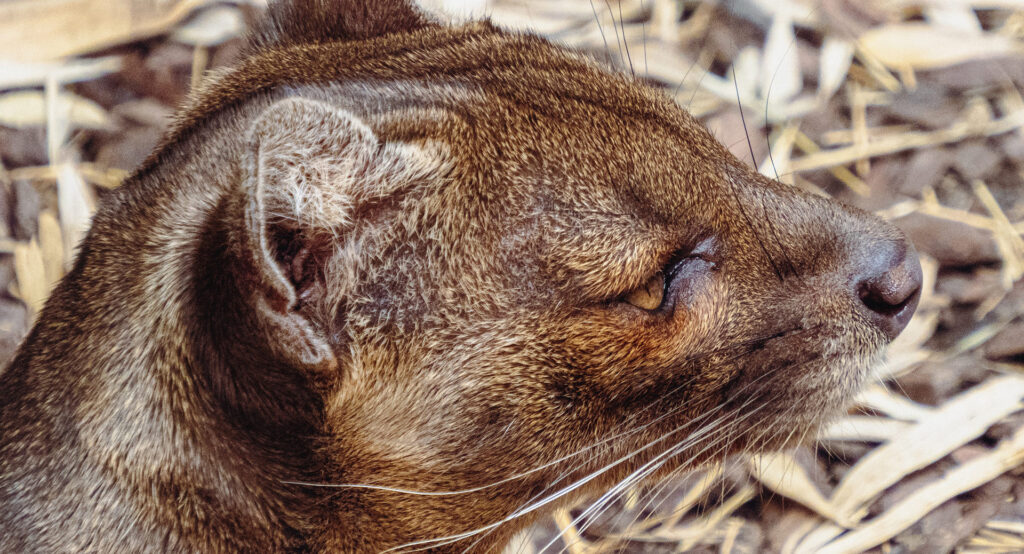
9. Fossa
The fossa is Madagascar’s top predator. It resembles a mix between a cat and a mongoose.
This agile hunter is known for its ability to climb trees and hunt lemurs.
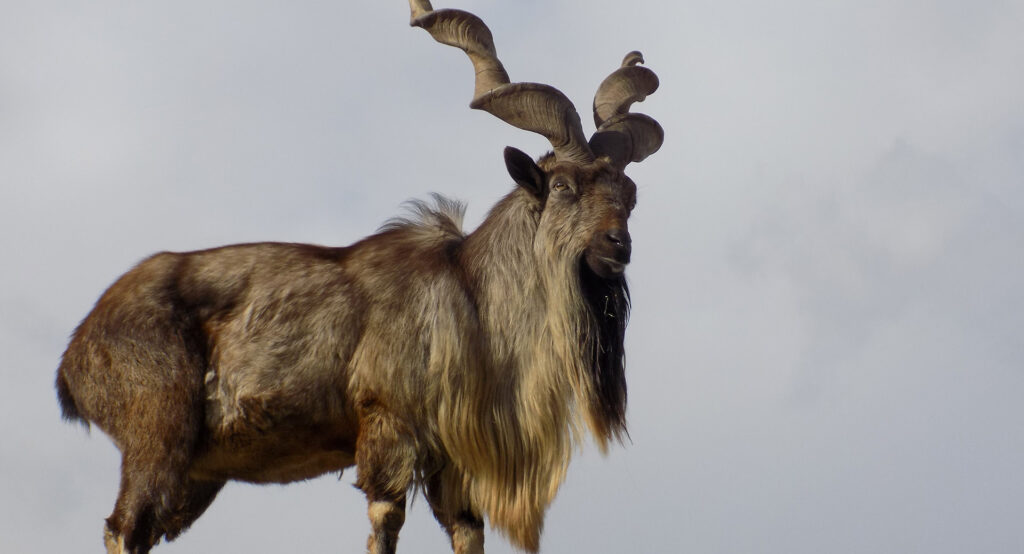
10. Markhor
The markhor is a wild goat species famous for its impressive twisted horns.
These animals live in mountainous regions of Central Asia and are well adapted to steep rocky terrain.
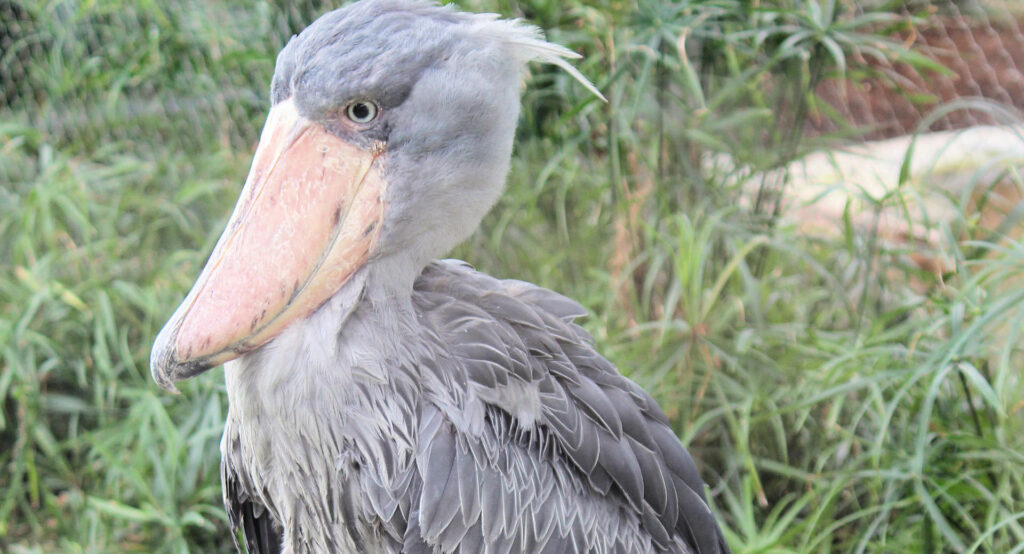
11. African Shoebill
The African shoebill is a large bird known for its enormous shoe-shaped bill.
This striking bird lives in tropical wetlands and feeds mainly on fish.
12. Sunda Colugo
The Sunda colugo is often called a flying lemur, although it is not a true lemur and cannot truly fly.
Instead, it glides between trees using large skin flaps that act like wings.
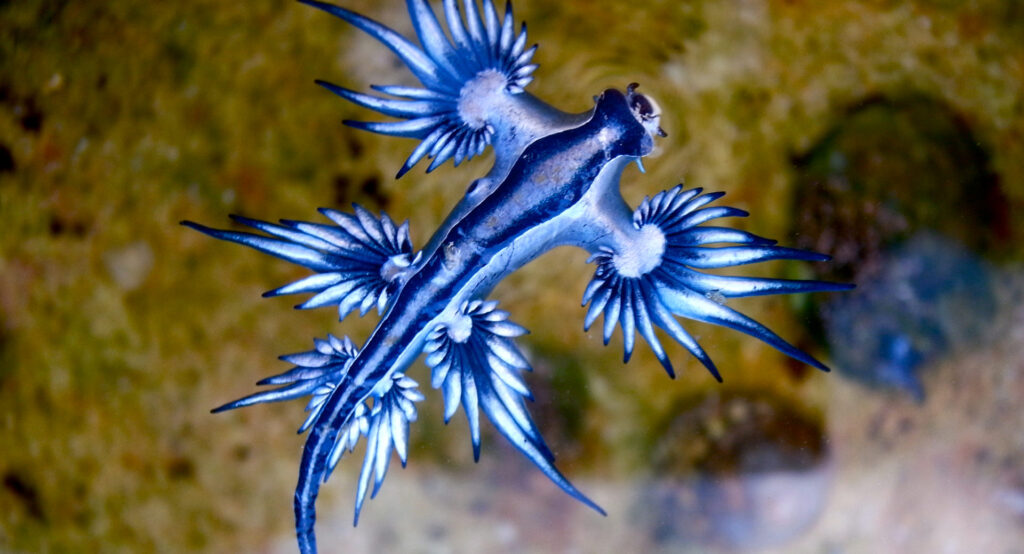
13. Glaucus Atlanticus
Glaucus Atlanticus, also known as the blue dragon, is a small sea slug with stunning blue and silver colouring.
Despite its beauty, it feeds on venomous jellyfish and stores their toxins for defence.
14. Maned Wolf
The maned wolf is a unique canine species native to South America.
With long legs and reddish fur, it looks like a cross between a fox and a wolf.
15. Kiwi
The kiwi is a flightless bird found only in New Zealand.
Unlike most birds, it has nostrils at the tip of its long beak, which it uses to detect insects underground.
16. Leaf-Tailed Gecko
Leaf-tailed geckos are masters of camouflage. Their bodies resemble dried leaves, helping them blend perfectly into forest environments.
These remarkable reptiles live primarily in Madagascar.
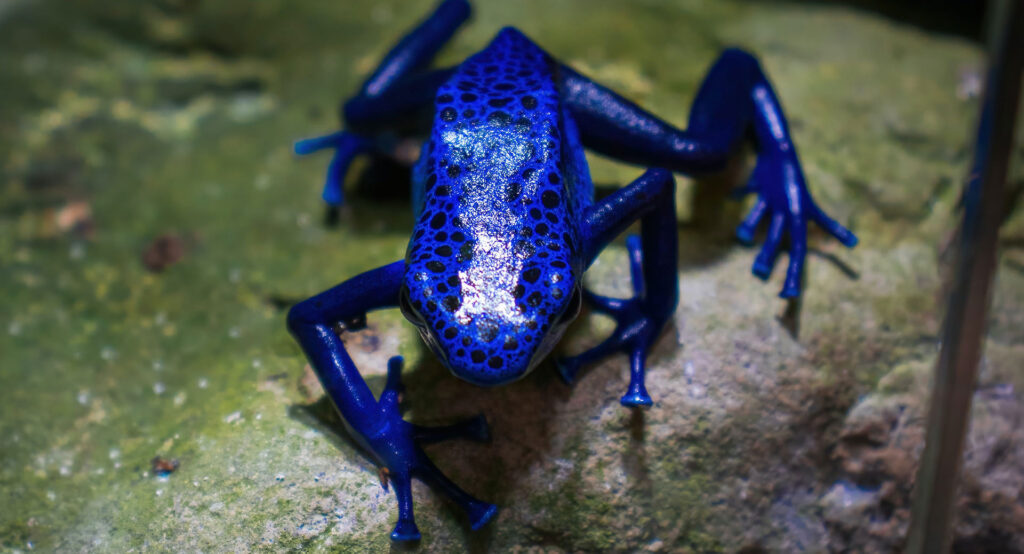
17. Blue Poison Dart Frog
This small frog is known for its striking blue colour and powerful toxins.
The poison dart frog uses its bright colours to warn predators that it is dangerous to eat.
18. Giant Isopod
Giant isopods are deep-sea crustaceans that can grow over 30 centimetres long.
They resemble enormous underwater pill bugs and live on the ocean floor.
19. Blobfish
The blobfish is famous for its unusual appearance.
When brought to the surface from deep water, its body loses structure, giving it the soft, gelatinous look that earned it the nickname “the world’s ugliest animal.”
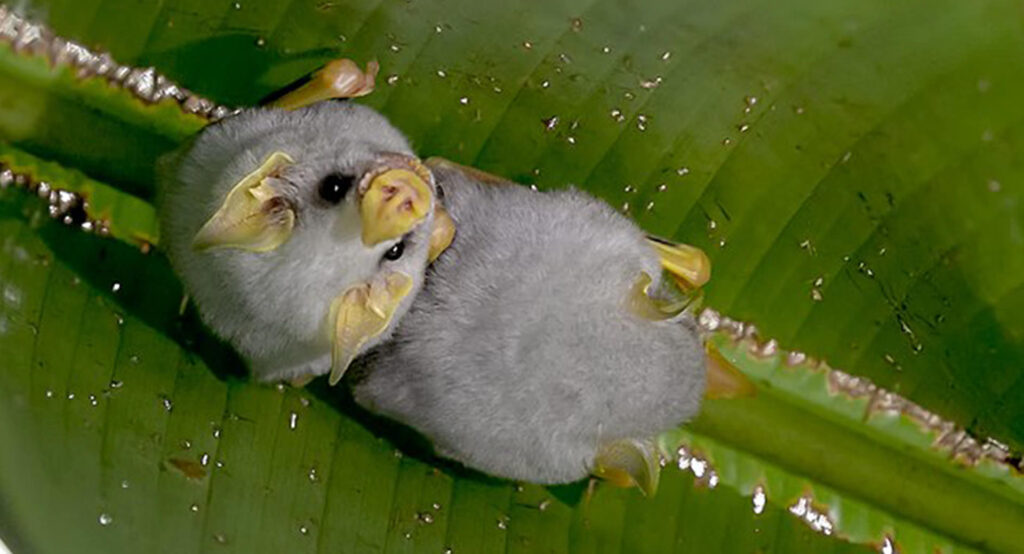
20. Honduran White Bat
These small white bats build shelters by folding large leaves into tent-like shapes.
They use these natural tents to hide from predators during the day.
Discover More Animal Facts
If you enjoy learning about unusual wildlife, explore our Animal Facts pillar guide:
You might also enjoy:
50 Fascinating Animal Facts About Wildlife Around the World
https://listoffacts.com/50-fascinating-animal-facts-about-wildlife-around-the-world/
Fox Facts: Fascinating Discoveries About Nature’s Smartest Animals
https://listoffacts.com/fox-facts/
Capybara Facts: 20 Fascinating Facts About the World’s Largest Rodent
https://listoffacts.com/capybara-facts/
External References
According to Britannica, rare and endangered animals often survive only in specialised habitats where conservation is critical.
https://www.britannica.com
Research from National Geographic highlights how unusual species help scientists understand evolution and biodiversity.
https://www.nationalgeographic.com
Frequently Asked Questions
What are rare animal facts?
Rare animal facts describe unusual or lesser-known species that live in unique environments or have rare biological traits.
Why are rare animals important?
Rare animals help scientists understand biodiversity, evolution, and how ecosystems function.
Where are most rare animals found?
Many rare animals live in remote environments such as deep oceans, tropical forests, and isolated islands.
Are rare animals endangered?
Many rare species face threats from habitat destruction, climate change, and hunting, which makes conservation efforts important.
Conclusion
These fascinating rare animal facts show how extraordinary wildlife can be. From deep-sea creatures to mysterious forest mammals, these animals demonstrate the incredible diversity of life on our planet. Learning about these unique species reminds us how important it is to protect the natural world and preserve its remarkable creatures.






This page is fabulous. The brilliant information reveals the essayist’s interest. I’m awestruck and envision further such mind blowing material.