
50 Fascinating Animal Facts About Wildlife Around the World
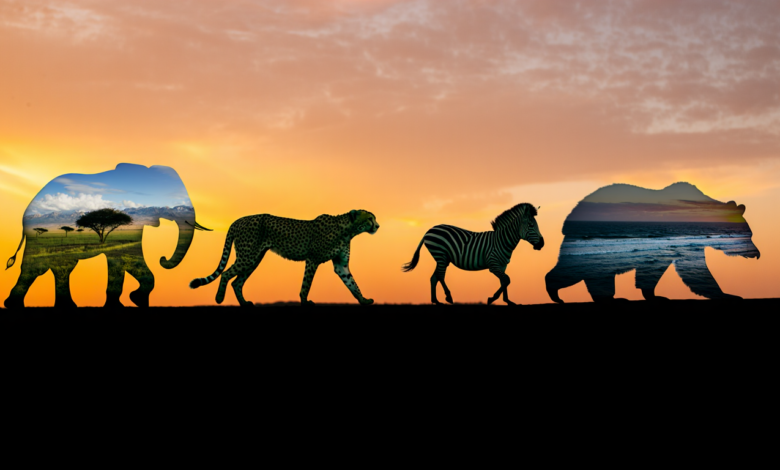
Discover fascinating animal facts about wildlife around the world, from intelligent elephants to powerful bears and lightning-fast cheetahs.
The natural world is filled with incredible creatures, and learning animal facts helps us understand how wildlife survives, adapts, and thrives in different environments. From powerful predators to intelligent mammals and unique species found in remote habitats, the animal kingdom is full of surprises. In this guide, you will discover fascinating animal facts about some of the most remarkable creatures on Earth, explore how animals adapt to their environments, and learn why wildlife continues to captivate scientists and nature lovers alike.
Amazing Animal Facts From Around the World
The planet is home to millions of species, each with unique behaviours and survival strategies. These animal facts highlight just a few examples of the remarkable adaptations found in nature.
Elephant Intelligence and Memory
Elephants are widely regarded as some of the most intelligent animals on Earth. One of the most impressive animal facts about elephants is their extraordinary memory. They can remember migration routes, water sources, and social relationships for many years.
Elephants also display empathy and social bonding. Scientists have observed elephants comforting distressed herd members and even mourning the loss of relatives. These behaviours reveal just how complex their social lives can be.
If you enjoy learning about these intelligent giants, explore more in Elephants – 35 Fun Packed Facts
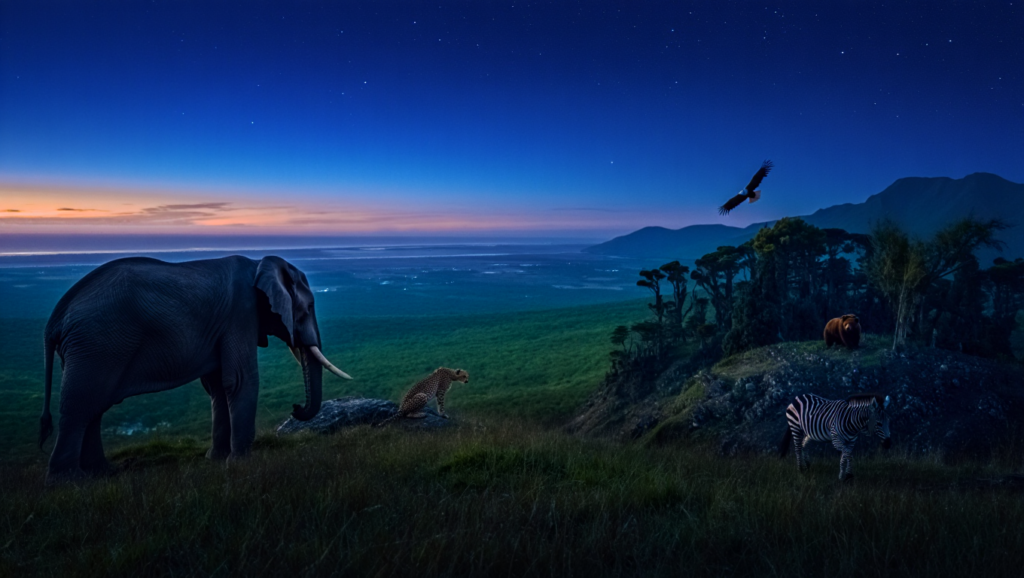
Bears and Their Survival Skills
Bears are powerful mammals known for their strength and adaptability. One of the most interesting animal facts about bears is their ability to hibernate during winter months. During hibernation, a bear’s heart rate slows dramatically while it survives on stored body fat.
Some species, such as the polar bear, have evolved unique traits for extreme climates. Their thick fur and fat layers help them survive in freezing Arctic conditions.
Learn more about these incredible animals in 50 Facts About Bears
Cheetahs: The Fastest Land Animals
One of the most well-known animal facts is that cheetahs are the fastest land animals on Earth. They can reach speeds of up to 70 miles per hour in short bursts while chasing prey.
Cheetahs rely on incredible acceleration and agility rather than endurance. Their lightweight bodies, long legs, and flexible spines allow them to sprint quickly across open plains.
Discover more about these remarkable predators in Cheetah – 45 Interesting Fun Facts
Zebras and Their Unique Stripes
Zebras are famous for their distinctive black-and-white stripes, but scientists are still studying why these patterns evolved. One of the most fascinating animal facts about zebras is that no two stripe patterns are identical, similar to human fingerprints.
Researchers believe the stripes may help confuse predators, regulate body temperature, or even deter insects. These unique markings also help zebras recognise one another within large herds.
Read more in Zebras – 35 Fun Interesting Facts
Cats: Skilled Hunters With Remarkable Senses
Domestic cats share many traits with their wild relatives. One surprising animal facts example is that cats have extremely sensitive hearing and can detect sounds far beyond the human range.
Cats also possess excellent night vision, allowing them to hunt effectively in low light conditions. These natural abilities make them efficient predators even in urban environments.
Explore more feline discoveries in 50 Fascinating Facts About Cats
Why Animal Facts Help Us Understand Nature
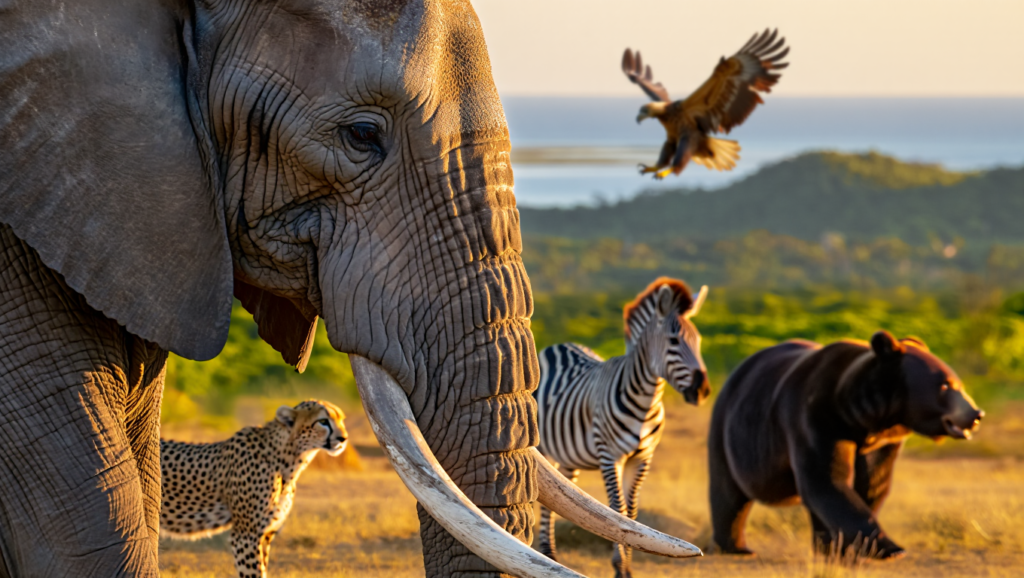
Learning animal facts helps scientists and conservationists better understand ecosystems. Animals play important roles in maintaining balance within their habitats.
Predators regulate prey populations, herbivores shape plant life, and pollinators support plant reproduction. Without these relationships, ecosystems would quickly become unstable.
Understanding wildlife behaviour also helps researchers develop strategies to protect endangered species.
According to research from National Geographic, biodiversity is essential for maintaining healthy ecosystems and supporting life on Earth.
https://www.nationalgeographic.com/environment/article/biodiversity
Similarly, Britannica explains how species diversity strengthens ecosystems by allowing organisms to adapt to environmental changes.
https://www.britannica.com/science/biodiversity
These insights make studying wildlife even more important.
The Incredible Diversity of the Animal Kingdom
The animal kingdom includes millions of species ranging from microscopic organisms to massive whales. One of the most fascinating animal facts is that scientists continue discovering new species every year.
Animals can live in almost every environment on Earth:
• tropical rainforests
• deserts
• oceans
• mountains
• polar regions
Each environment requires unique adaptations. Some animals evolve camouflage, others develop powerful senses, and some rely on speed or intelligence to survive.
These discoveries remind us how much there is still to learn about the natural world.
Frequently Asked Questions
What are animal facts?
Animal facts are interesting pieces of information about wildlife behaviour, biology, habitats, and survival strategies. These facts help explain how animals live and adapt in the natural world.
Why are animal facts important?
Animal facts help scientists understand ecosystems and biodiversity. Learning about wildlife also helps raise awareness about conservation and protecting endangered species.
Where do scientists learn animal facts?
Researchers learn animal facts through field studies, observation, tracking technology, and ecological research. Many discoveries come from long-term studies of animal behaviour.
Why do people enjoy learning animal facts?
People are naturally curious about wildlife. Animal facts reveal surprising abilities, unusual behaviours, and the incredible diversity of life on Earth.
Conclusion
The natural world is filled with extraordinary creatures, and exploring animal facts helps us appreciate how complex and fascinating wildlife truly is. From intelligent elephants and powerful bears to lightning-fast cheetahs and uniquely patterned zebras, every species reveals something new about life on Earth. As scientists continue studying animals and discovering new species, our understanding of nature continues to grow, making the study of wildlife more exciting than ever.
